Charging Your EV on the Road in Germany 2026
 Kamilya
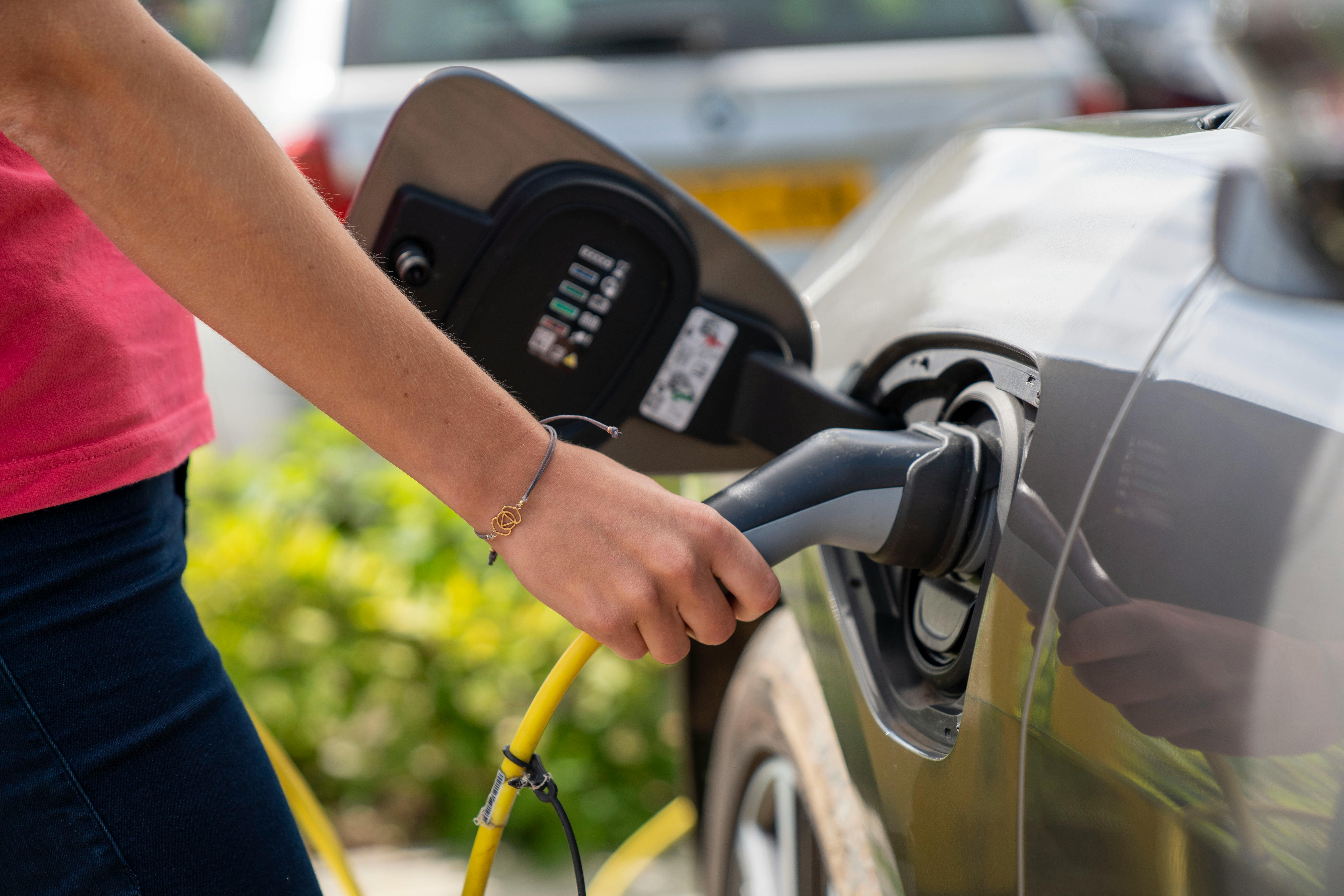
Public charging in Germany has become noticeably easier in 2026, but it is still complex enough to catch out newcomers and occasional users. Unfamiliar locations, opaque pricing, multiple payment methods, and the question of which app to use are genuine friction points on a long trip. This guide works through all of them.
How Good Is Germany's Public Charging Network?
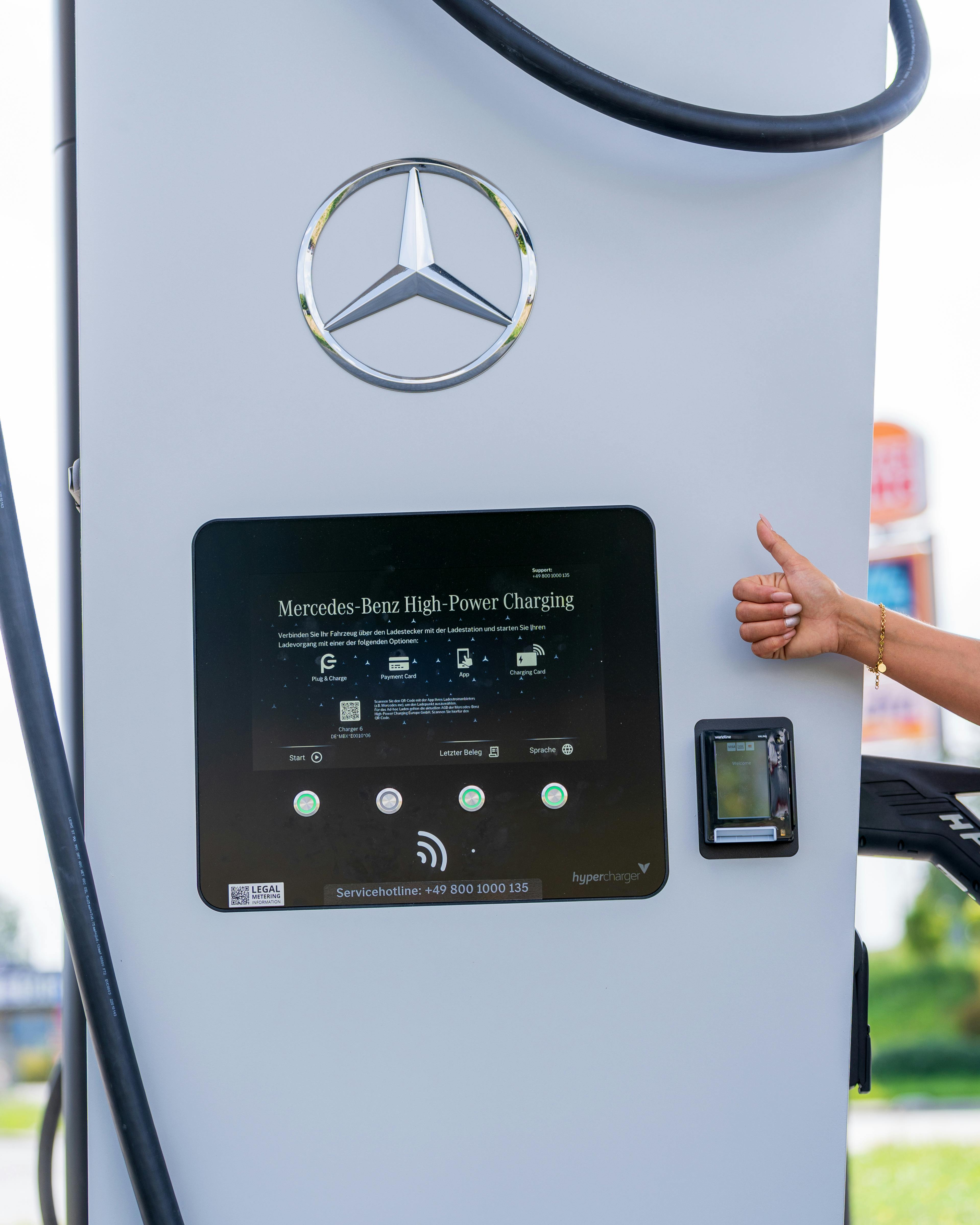
The Federal Network Agency now counts over 100,000 publicly accessible charging points across the country. That sounds like a lot, and it is a meaningful number, though the federal government's stated target of one million charging points by 2030 makes clear that the build-out still has a long way to go.
Major urban areas including Munich, Berlin, Hamburg, and Frankfurt are well served. On motorways, the network has thickened considerably thanks to the Ionity fast-charging network, EnBW stations, and Tesla Superchargers now open to non-Tesla vehicles. Rural areas and parts of eastern Germany still lag behind the cities in charging density. The Netherlands and Norway have roughly twice as many charging points per capita as Germany, but the German network is functional for everyday travel provided you do not leave route planning to chance.
Which Charging Apps and Providers Work Best on the Road?
Relying on a single provider is a common mistake. The concept that matters here is roaming: the ability to charge across multiple networks using one app or card, much like using your phone abroad. If you travel with only a single-provider card, you risk pulling up to a charger and finding it simply will not work with what you have. When choosing your setup, the things worth prioritising are route coverage, price transparency before you start a session, and an ad-hoc payment option as a fallback.
EnBW mobility+
EnBW mobility+ runs one of Germany's largest proprietary charging networks, with over 1,000 sites and access to additional third-party stations through roaming partnerships. The app shows live availability and pricing. For frequent drivers, the flat-rate tariff is worth a look: a monthly fee that unlocks cheaper AC and DC charging, particularly strong on motorways and in urban areas where EnBW has built a reputation for reliable hardware and clear billing.
EWE Go
EWE Go's strongest coverage is in Lower Saxony, Bremen, and Brandenburg, and the network is growing. No subscription, no standing charge, pay per kilowatt-hour: that model suits occasional users and commuters in northern Germany well. Through the Intercharge roaming network, EWE Go cards work at a wide range of other operators' stations too.
ADAC e-Charge
The ADAC e-Charge card gives access to one of the broadest roaming networks in Germany, and you do not need to be an ADAC member to get one. Through partnerships with a large number of operators, a single card unlocks a significant share of available charging points. The pricing is not always the cheapest option available, but the coverage and consistency make e-Charge the go-to backup when your preferred provider is not at a particular location.
Shell Recharge and Tesla
Shell Recharge is built around motorway locations and connects well internationally, which matters on trips into neighbouring countries. Prices sit in the mid-to-upper range, but the stations are generally well maintained and well positioned.
Tesla Superchargers have been open to other brands since 2023. Charging speeds are high and the app is well designed. Non-Tesla drivers pay a noticeably higher per-kWh rate, and availability for non-Tesla vehicles is restricted at some sites. As a supplement on long motorway routes, Superchargers are a useful option to have in your toolkit rather than a primary network.
Maingau Autostrom
Maingau's appeal is a competitive per-kWh price combined with access to a large roaming network, where partner stations would cost considerably more under their own ad-hoc tariffs. Registration is straightforward and quick. The savings against ad-hoc pricing can be substantial, which puts Maingau among the more cost-effective options for regular users.
What Does Public Charging Cost in Germany?
Whether you pay per kWh, per minute, or via a flat rate depends on the provider, the location, and the charger. The same charger can show different prices depending on which app or card you use, so knowing the pricing structure before you plug in saves money over time.
AC Charging Prices
AC charging, typically at 11 or 22 kW, suits car parks, shopping centres, and overnight stops. With a roaming card or flat-rate tariff, you will generally pay between EUR 0.35 and EUR 0.55 per kWh. Ad-hoc without a card often runs EUR 0.50 or more, sometimes billed by the minute, which adds up fast on a slow charger. Two hours at 11 kW in a city-centre car park: with a card, roughly EUR 7 to EUR 8. Without one, EUR 12 or more is not unusual.
DC Fast Charging Prices
DC charging from 50 kW upwards is the right choice on a trip, because short stops at high power keep travel time down. Prices range from around EUR 0.50 to EUR 0.79 per kWh, and at Ionity sites without a membership they can go above that. Drivers on a manufacturer partnership tariff often pay considerably less. If you charge on motorways with any regularity, EnBW flat-rate plans are worth calculating: the monthly fee can pay for itself after just a handful of fast-charging stops.
How Do Payment Methods Work at Public Chargers?
Two routes exist at public chargers: your provider's charge card or app, or spontaneous ad-hoc payment. Which fits better depends on how often you charge.
Charge Card or App
For regular users, the RFID charge card or provider app is the better method. Hold the card to the reader, the session starts. Prices are lower than ad-hoc rates, and the full charge history is available for expense claims and tax purposes. A card registered in the Hubject Intercharge network connects hundreds of operators across Europe and maximises the number of chargers you can access with a single card. Maingau and ADAC e-Charge are both part of this network. Carrying at least one roaming card as a backup is worth doing regardless of which provider you use as your primary.
Ad-Hoc Payment
Since 2023, all fast chargers above 50 kW across the EU must offer contactless payment, in practice meaning credit or debit card via NFC or QR code. That is useful for travellers without a registered charge card, since no account is needed. Ad-hoc prices typically run 20 to 40 percent above provider tariffs, though, and the requirement does not yet extend to AC chargers below 50 kW, where you can still find yourself stuck without a card.
Key Tips for EV Drivers Travelling in Germany
Good preparation separates a smooth charging stop from wasted time. Three areas account for most avoidable problems.
Avoiding Blocking Fees
Many chargers apply blocking fees once a fully charged vehicle is still occupying the bay. Costs typically run between EUR 0.05 and EUR 0.15 per minute and build up quickly. Turning on charging notifications in your app and reading the operator's terms before you plug in is enough to avoid this entirely.
Comparing Prices Before You Charge
The same charger can carry meaningfully different prices depending on the roaming partner. Apps like Chargemap, PlugShare, or the operator's own app show tariffs from multiple providers at the same location. A Better Route Planner (ABRP) adds route optimisation and cost estimates based on your personal tariff, which makes it the most useful planning tool for longer trips.
Understanding Company Car Charging Rules
If you drive a company car, check which charge card your employer requires before you travel. Paying through a personal app or via ad-hoc creates a taxable benefit in kind that needs to be declared. Billing correctly through the company card avoids both expense claim problems and issues with the tax office. For SMEs in particular, flexible company car subscription models are worth exploring, since charging cards and billing are often bundled into the monthly package.
Where to Compare Current Charging Tariffs
Chargemap and PlugShare provide community-sourced, real-time data on prices, availability, and other drivers' experiences. The Federal Network Agency's transparency platform requires operators to publish their pricing, making it the most reliable structured source for tariff information. For trip planning, ABRP is the strongest tool available: enter your vehicle type, current state of charge, and destination, and it plans optimal charging stops with time and cost estimates built in. A primary app from your preferred provider, ABRP for route planning, and a roaming card as backup: that combination covers most situations you will encounter in Germany.
Frequently Asked Questions
Can I use any charge card at any charger in Germany?
A card registered in the Hubject Intercharge network works at the large majority of public chargers. Maingau, ADAC e-Charge, and EnBW are all part of that network. Tesla Superchargers run on a separate infrastructure and require the Tesla app or a compatible tariff.
How do I find the nearest motorway charger?
ABRP, Chargemap, or your vehicle's built-in navigation all show motorway stations in real time. High-power charging points on German motorways are typically located at service areas and run by EnBW, Ionity, or Shell Recharge.
What does EV charging roaming mean?
Roaming means using one provider's card or app to charge on another operator's network, the same principle as using your mobile phone abroad. The Intercharge network is the dominant standard in Germany and Europe. Without roaming access, you are limited to chargers owned by your card's own provider.
Do I need to download an app for ad-hoc payment?
No. Ad-hoc payment requires no account and no app: credit or debit card contactlessly or by QR code at the charger itself. This is mandatory at fast chargers above 50 kW across the EU since 2023, but has not yet been fully rolled out to slower AC chargers.
How long does charging take on a typical road trip?
At a DC fast charger running at 150 kW or above, a typical mid-size car goes from 20 to 80 percent charge in 20 to 30 minutes, enough for 200 to 300 additional kilometres. The same charge at a 22 kW AC charger takes several hours, which is why DC charging is almost always the right choice while travelling and AC charging fits overnight stops or extended parking. Want to know which electric car suits your driving habits best? Browse available models on subscription.