Importing a Car into Switzerland: Costs, Process and What You Need to Know
 Kamilya

Importing a car into Switzerland costs roughly 12 to 15 percent of the purchase price in taxes and fees. On a EUR 25'000 used car from Germany, that means CHF 3'200 to CHF 3'800 before you even factor in a potential CO2 penalty. The process is doable, but it is not free, and the paperwork adds up fast.
If you are relocating to Switzerland with your own vehicle, or you have spotted a better price on a car in the EU, this guide walks you through every cost, every step and every document you need. It also covers the household goods exemption that can save you thousands if you qualify, and an honest comparison with the car subscription route for anyone who wants to skip the import entirely.
How much does it cost to import a car into Switzerland?
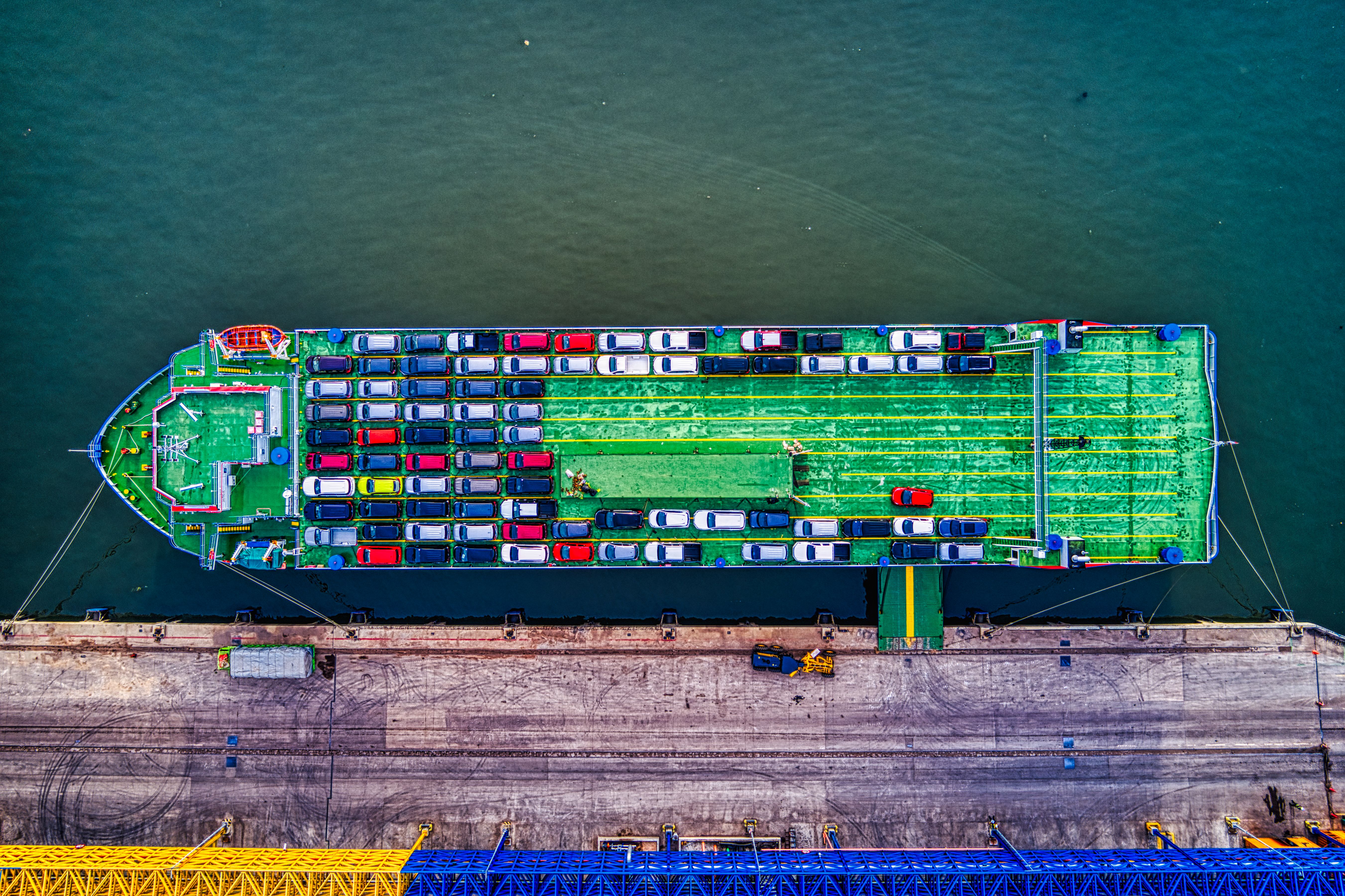
Expect roughly 12 to 15 percent of the purchase price in taxes and fees. That figure covers the automobile tax, import VAT and administrative charges. For newer vehicles, a CO2 penalty on first registration can push it higher. Here is how each component breaks down.
Automobile tax and import VAT
The automobile tax is 4 percent, calculated on the purchase price plus transport costs. Import VAT is 8.1 percent, but the calculation base includes the purchase price, the automobile tax and transport. You are paying a tax on the tax, which catches many first-time importers off guard.
Since 2024, Switzerland no longer charges a weight-based customs duty on industrial products, provided you present an EUR.1 form confirming the vehicle originates from an EU or EFTA country. Without that form, you may face additional charges at the border.
CO2 penalty on first registration
When you register an imported car in Switzerland for the first time, a CO2 penalty applies if the vehicle exceeds its individual emissions target. The rate for 2025 and 2026 is CHF 95 per gram of CO2 above the target. For new or nearly new petrol cars, this is often the single largest cost in the entire import process. A car emitting 160 grams per kilometre could face a penalty of around CHF 1'500 on top of everything else. Older used cars with lower emissions are less affected. If you are considering an electric vehicle, the CO2 penalty drops to zero, and you may also benefit from cantonal tax exemptions and EV subsidies.
Worked example: a used car from Germany at EUR 25'000
Take a concrete case. You buy a used VW Golf in Germany for EUR 25'000 net (VAT reclaimed at export). At the border, you convert to CHF at the daily exchange rate. The automobile tax at 4 percent comes to roughly CHF 1'080. Import VAT at 8.1 percent on the combined total adds around CHF 2'280. The customs processing fee is CHF 20. An MFK vehicle inspection runs CHF 50 to CHF 100, and cantonal registration costs CHF 50 to CHF 150.
Total without CO2 penalty: approximately CHF 3'200 to CHF 3'800. Now add the CO2 penalty for a petrol car at 160 grams per kilometre: roughly CHF 1'500 extra. Your total import cost lands somewhere around CHF 4'700 to CHF 5'300. That is a significant slice on top of the purchase price, and it is the number you need to weigh against the price advantage of buying abroad.
The process step by step
Buying abroad and reclaiming VAT
When you buy a car in an EU country, you can reclaim the local VAT by providing export proof to the seller. Have the purchase contract, foreign vehicle registration document and service history ready before you head to the border.
One critical check before you buy: confirm whether the vehicle has Swiss type approval (Typengenehmigung). You can look this up on the Federal Roads Office database. If the car has type approval, registration in Switzerland is straightforward. Without it, you will need individual approval, which takes four to eight weeks and can cost several hundred francs in testing fees. This single detail has derailed more than a few imports that looked like a bargain on paper.
Customs declaration and crossing the border
You need to complete an electronic customs declaration via the e-dec system before you reach the Swiss border. From 2026, the system is being replaced by Passar, so check which platform applies when you plan your crossing.
At customs, present your documents, pay the duties (cash or via a customs account) and collect the assessment. A practical tip: check the opening hours and accepted payment methods of your chosen border crossing in advance. Not all crossings are staffed around the clock, and card payment is not available at every location.
Emissions test, MFK inspection and cantonal registration
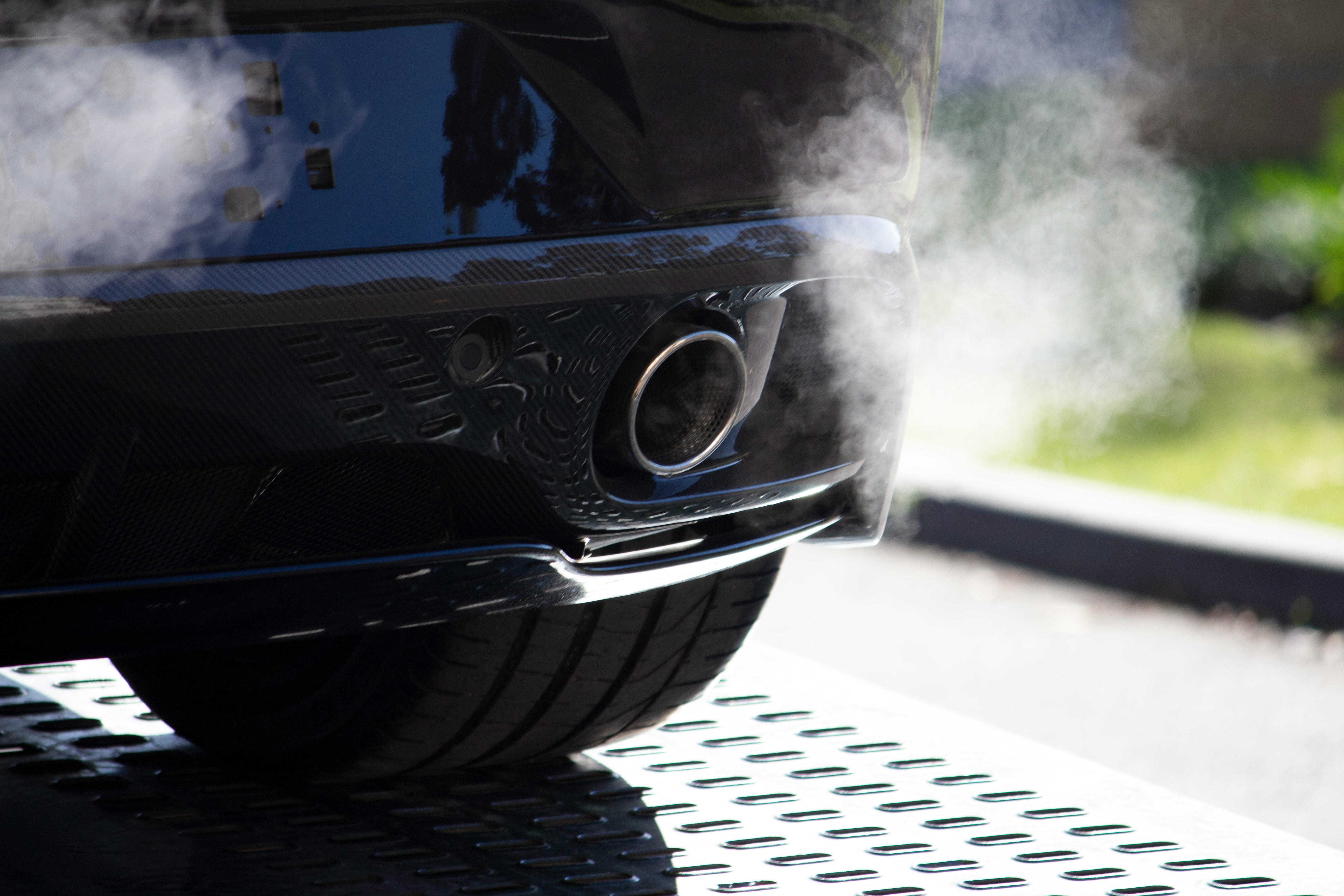
Once your car clears customs, you need an emissions test at an authorised garage. This is mandatory before the MFK inspection. Then you take the car to the cantonal road traffic office (Strassenverkehrsamt) for the MFK. If the vehicle passes, you apply for cantonal registration and collect your plates.
The whole process, from border to plates, takes one to two weeks if the car has existing type approval. Without type approval, expect four to eight weeks.
Documents you need
Gather these before you cross the border: the purchase contract, the foreign vehicle registration document, an EUR.1 form for duty-free EU import, export or transit plates, your passport or ID, the customs assessment once you have cleared the border, the emissions test certificate and proof of Swiss liability insurance. Missing any one of these can stall the process at the MFK stage, so double-check before you leave.
Special case: household goods when relocating
If you are moving your residence to Switzerland and bringing your own car, you can declare it as household goods (Umzugsgut). Two conditions apply: you must have owned the vehicle for at least six months, and you must commit to not selling it for one year after import. The benefit is significant. You are exempt from the automobile tax and from import VAT, which on a CHF 25'000 vehicle saves you over CHF 3'000.
You declare household goods using form 18.44, available from the Federal Office for Customs and Border Security (FOCBS). Many expats and returning Swiss nationals qualify but do not know this exemption exists. If you are relocating, it is worth checking before you calculate your import costs. And if you are arriving with a foreign driving licence, make sure you understand the steps to convert or exchange it within the 12-month deadline.
Import vs. car subscription: when each option makes sense
Importing makes sense when you want a specific model that costs substantially less abroad and you plan to drive it in Switzerland for years. If the foreign price is at lea
st 15 percent lower than the Swiss equivalent, the 12 to 15 percent import cost and the paperwork can be worth the effort.
A car subscription makes sense when you want to avoid the entire import process, carry no residual-value risk and stay flexible on how long you keep the vehicle. At CARIFY, a subscription starts from CHF 199 per month. The vehicle is already registered in Switzerland with service and taxes included. No customs appointments, no MFK scheduling, no CO2 penalty calculations. You pick a car, it arrives at your door, and you drive.
For expats on shorter assignments or anyone still figuring out which car suits their Swiss commute, the subscription removes the complexity entirely. A monthly car rental is another option for short-term needs, though the total cost is often higher than the headline price. For long-term residents who know exactly which car they want and where the price advantage is, importing can save money over time.
Is it worth importing a car from Germany?
It depends on the price gap. Factor in 12 to 15 percent in import costs plus any CO2 penalty. The effort pays off only when the foreign price is at least 15 percent lower than the Swiss equivalent. Below that threshold, the admin time, customs appointments and registration steps eat into whatever you saved on the sticker price.
How long does a car import take?
With existing Swiss type approval: one to two weeks from the border to plates on the car. Without type approval, you will need individual approval, which adds four to eight weeks. Check type approval before you buy, not after.
Conclusion
Importing a car into Switzerland is a structured process with predictable costs, but those costs add up to 12 to 15 percent of the purchase price before a potential CO2 penalty. The paperwork, customs appointments and MFK inspections require time and planning. If you qualify for the household goods exemption, you can save thousands. If you want to skip the entire process, a car subscription at CARIFY puts a Swiss-registered vehicle on your drive from CHF 199 per month, with no customs, no residual-value risk and no paperwork.