Driving Licence in Switzerland: Categories, Costs and How to Get Your Licence
 Kamilya
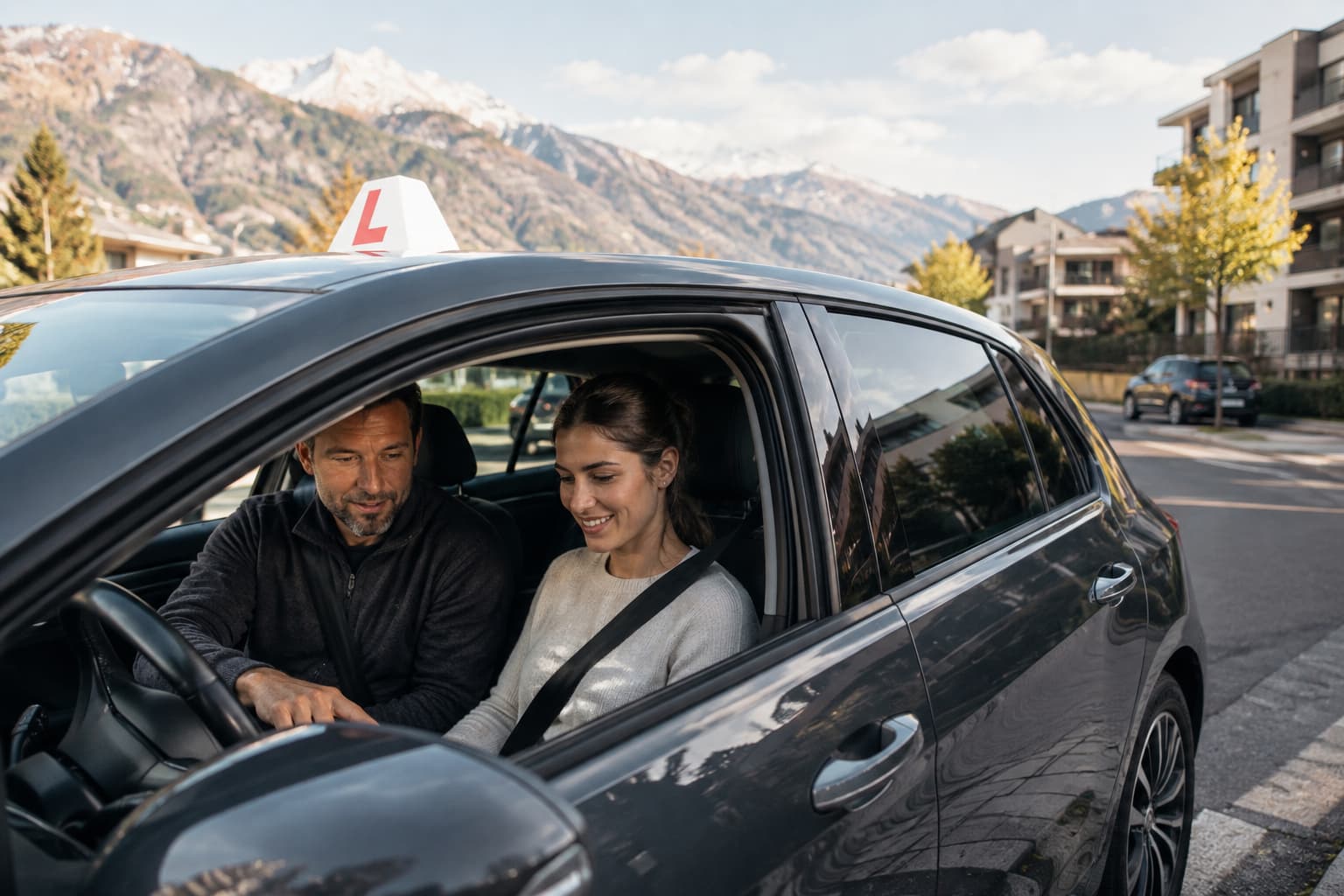
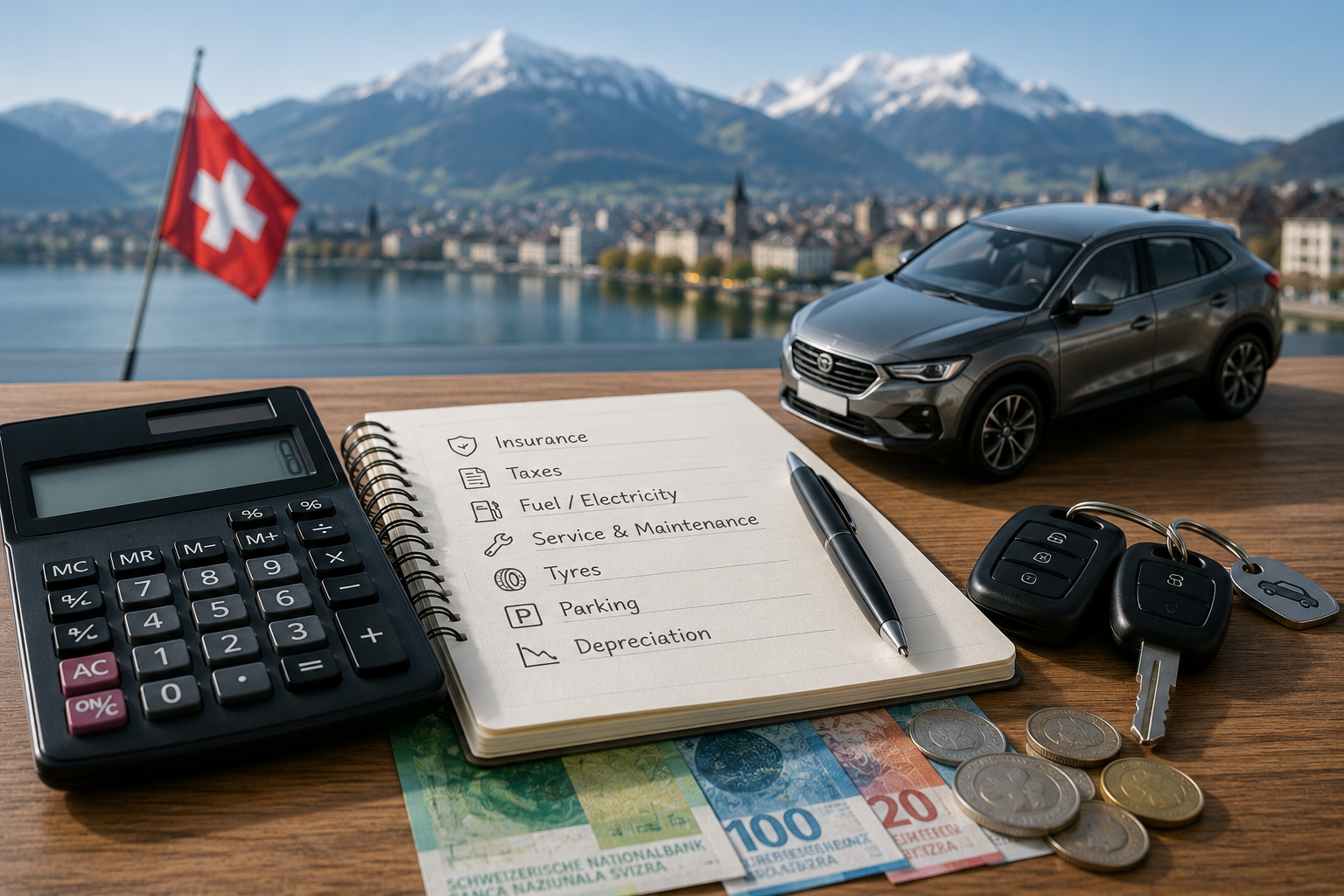
A Category B driving licence in Switzerland costs between CHF 2'500 and CHF 3'500 and takes 6 to 18 months from start to finish. The exact amount depends on the canton you live in, the driving school you choose and how many lessons you need before you pass the practical test.
For expats, international workers and students arriving in Switzerland, the process can feel unfamiliar. The Swiss system follows a fixed sequence of steps, from a first aid course through to a three-year probationary period. This guide walks through every stage with concrete 2026 costs, including a dedicated section on converting a foreign licence, which is the most common question for English speakers navigating the Swiss system.
How much does a driving licence cost in Switzerland?
The total cost for a Category B licence falls between CHF 2'500 and CHF 3'500. That sum is spread across 6 to 18 months, not paid in one go, which makes the investment more manageable than the headline number suggests.
The first aid course (Nothelferkurs) costs CHF 90 to CHF 150. An eye test at any optician runs CHF 20 to CHF 30 and takes about ten minutes. The learner permit application at your canton's road traffic office costs CHF 60 to CHF 80. The theory exam fee is CHF 30 to CHF 40.
The VKU (traffic theory course) runs CHF 200 to CHF 280. Driving lessons are the biggest variable: each lesson costs CHF 80 to CHF 120, and the average learner takes 25 to 30 lessons before passing. At CHF 100 per lesson, that is CHF 2'500 to CHF 3'000 on lessons alone. The practical exam costs CHF 120 to CHF 140, and the WAB further training course after you pass adds CHF 350 to CHF 500.
Cantonal fees vary by up to CHF 80 for the same administrative steps, so your location has a real impact on the total bill. The ASA (Association of Swiss Road Traffic Authorities) publishes fee schedules for each canton.
Swiss driving licence categories explained
Switzerland uses a category system aligned with European standards. Most readers searching in English are looking for Category B, but here is an overview of the main categories.
Category B: the car licence
Category B covers motor vehicles up to 3'500 kilograms gross weight. You can apply for a learner permit from age 17 and take the practical test from age 18. This is the licence that opens the door to passenger cars, small vans and most everyday vehicles on Swiss roads.
Categories A1, A2 and A: motorcycles
A1 is available from age 15 or 16, depending on the canton, and covers motorcycles up to 125 cc. Category A restricted starts at 18 and allows motorcycles up to 35 kilowatts. After two years with the restricted licence, you can upgrade to full Category A with no power limit. The total cost for a motorcycle licence ranges from CHF 1'000 to CHF 3'000.
Other categories at a glance
Category BE covers cars with trailers above a certain weight. Categories C and D cover trucks and buses and require additional training and medical checks. For most people arriving in Switzerland, Category B is the starting point.
The process step by step
First aid course and eye test
The first aid course takes 10 hours, usually spread over two evenings or a single Saturday. The certificate is valid for six years, so you have time even if you start the process and take a break. The eye test at an optician costs CHF 20 to CHF 30 and confirms your vision meets the minimum requirements. Both must be completed before you can apply for the learner permit.
Learner permit and theory exam
You apply for your learner permit at the road traffic office (Strassenverkehrsamt) in your canton of residence. Bring the first aid certificate, eye test result, a passport photo and your ID. The learner permit is valid for two years. If you do not pass the practical test within that window, you will need to reapply.
The theory exam consists of 50 questions answered in 45 minutes. You can make a maximum of 15 error points and still pass. Most people prepare with a practice app costing CHF 30 to CHF 50, and a couple of weeks of regular practice is usually enough for the theory portion.
Traffic theory course, lessons and the practical test
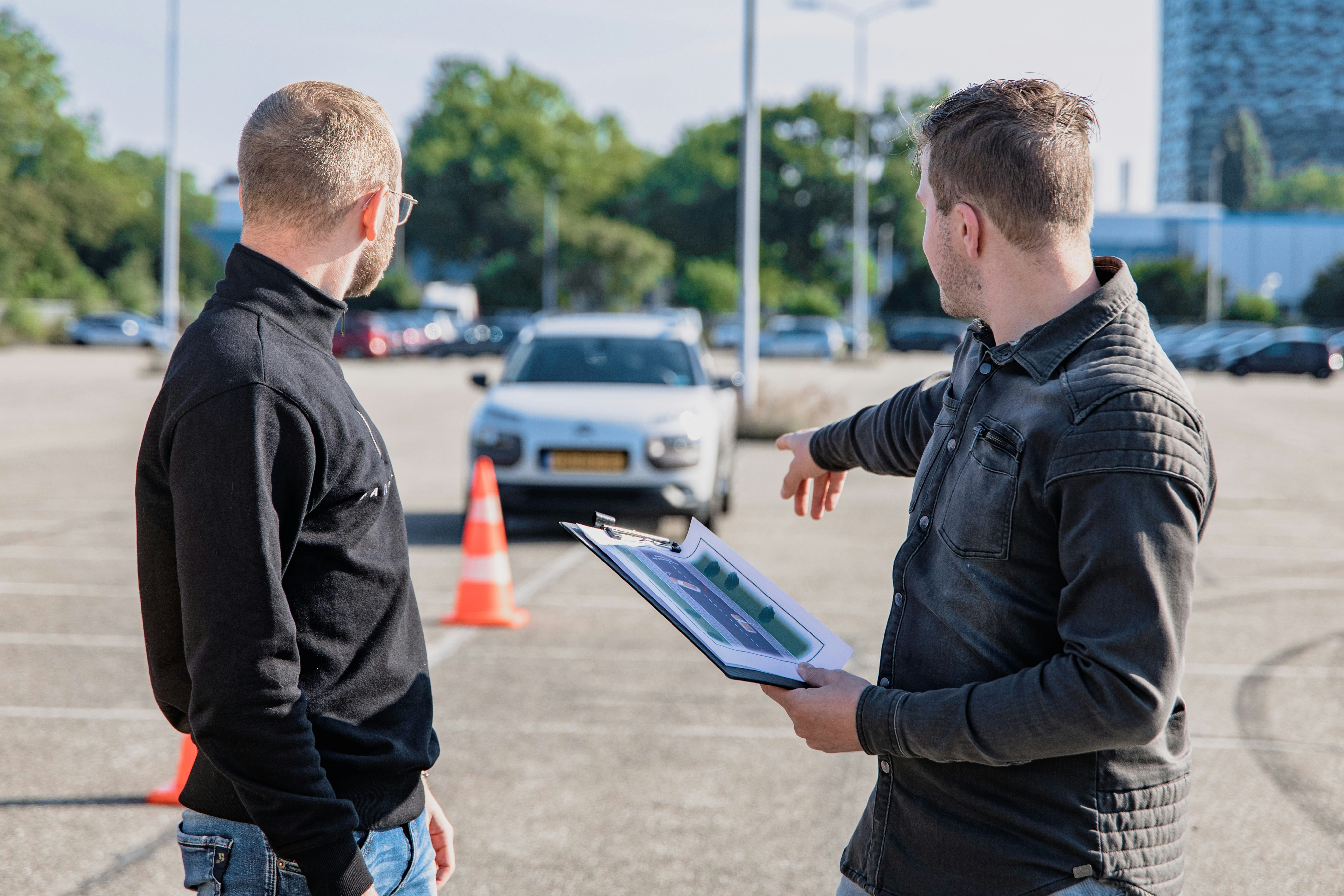
The VKU is an eight-lesson course, each lesson lasting two hours, covering traffic awareness and hazard perception. You must complete it before you can sit the practical test. Switzerland has no legal minimum number of driving lessons. You can take the test whenever you feel ready, though the average learner books 25 to 30 lessons.
Practice drives with a licenced companion between professional lessons are one of the best ways to build confidence and reduce the number of paid lessons you need. The companion must be at least 23 years old and hold a permanent Swiss licence.
The practical test lasts 45 to 60 minutes and costs CHF 120 to CHF 140 depending on the canton.
Probationary licence and WAB course
Once you pass the practical test, you receive a probationary licence valid for three years. During this period, a zero-tolerance alcohol limit applies. If your licence is revoked for any reason during probation, the three-year clock resets.
The WAB (Weiterausbildung) course must be completed within the first 12 months of your probationary period. It is a one-day course costing CHF 350 to CHF 500 focused on safe driving behaviour and self-assessment. After three years without a suspension, your licence becomes permanent.
Converting a foreign driving licence
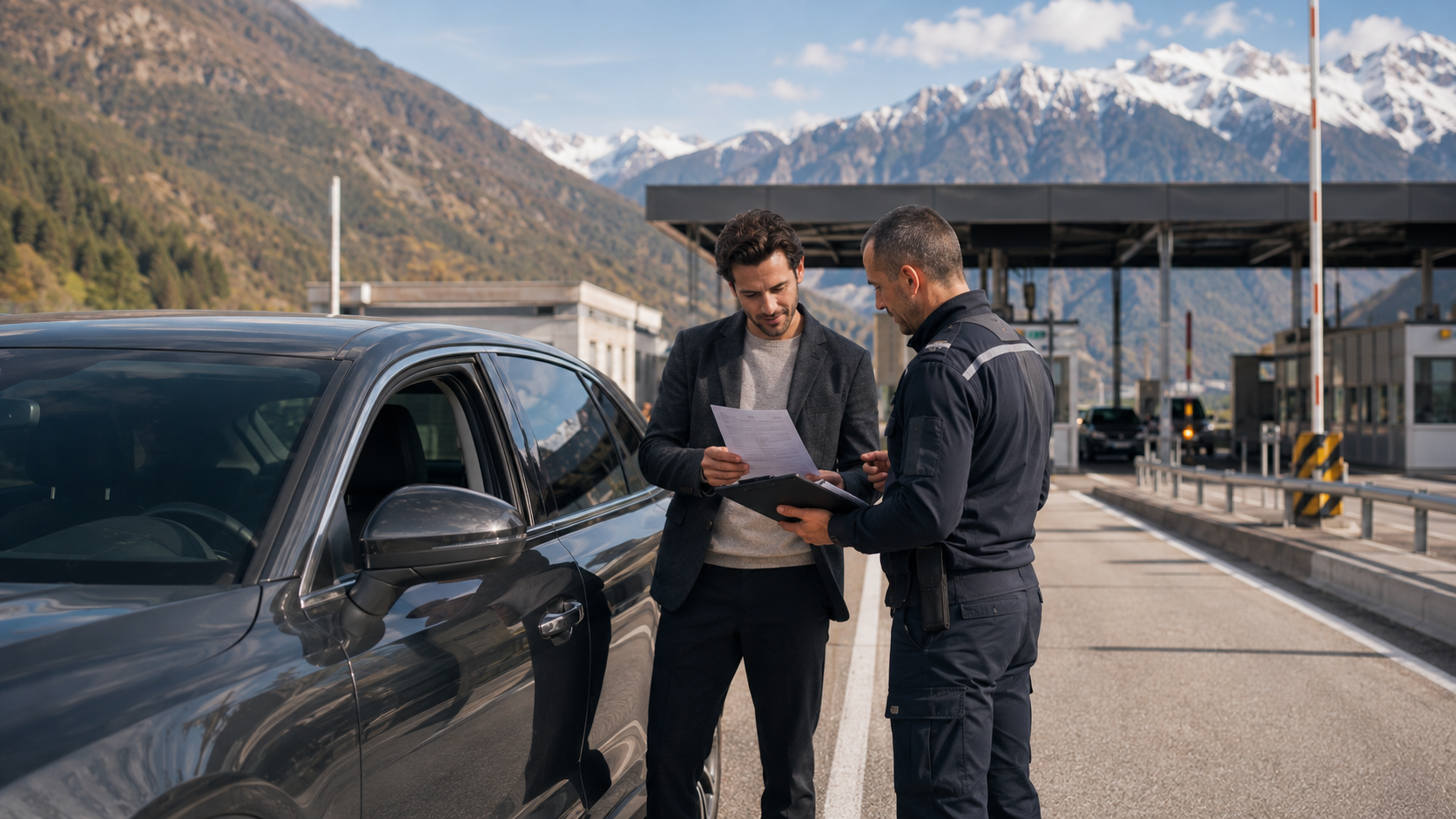
This is the section most expats need. If you hold a licence from an EU or EFTA country, or from a state with a reciprocal agreement (the USA, Canada, Australia, Japan and several others), you can exchange it at the Strassenverkehrsamt within 12 months of becoming a Swiss resident. You need a valid foreign licence, a Swiss residence permit, an eye test and a passport photo.
If your licence comes from a country without a reciprocal agreement, you will need to take the Swiss theory exam, the practical test, or both, depending on the specific bilateral arrangement. The ch.ch federal portal publishes the current list of recognised licences.
One deadline matters more than any other: 12 months after you register as a Swiss resident, your foreign licence is no longer valid for driving in Switzerland. If you miss that window, you start the entire Swiss licence process from scratch. Many expats discover this too late, so mark the date as soon as you receive your residence permit. If you are also bringing a vehicle from abroad, the car import process and costs run in parallel and have their own deadlines.
You have your licence: what are your mobility options?
After investing CHF 2'500 to CHF 3'500 in a licence, buying a car means another substantial outlay. A new car purchase ties up capital. Leasing requires a credit check and locks you in for two to four years. A monthly car rental can work for a few months, though deposits and mileage caps add up.
A car subscription at CARIFY starts from CHF 199 per month with service, taxes and cantonal registration included. No down payment, no credit check and monthly flexibility after the minimum term. For new drivers or expats who are still finding their feet in Switzerland, you can get on the road within days, test a vehicle that fits your commute and return it when your situation changes. You are not locked in, and you do not carry the depreciation risk on a car you are still figuring out whether you need.
How long does it take to get a Swiss driving licence?
Most people complete their Category B licence in 6 to 12 months from first aid course to practical test. After that, the probationary period runs for another three years before the licence becomes permanent.
Can I drive in Switzerland with a foreign licence?
Yes, for up to 12 months after you become a Swiss resident. After that deadline, you must exchange or convert your licence at the cantonal road traffic office. Driving on an expired foreign licence after that date is an offence.
Do I need my own car as a new driver?
No. A car subscription gives you access to a vehicle without buying one. You choose a model, drive it as long as you need and return it when you are done. At CARIFY, subscriptions start from CHF 199 per month with the freedom to switch models or cancel after the minimum term. If an electric car interests you, check the cantonal EV tax breaks and subsidies that could make it cheaper to run than a petrol car.
Conclusion
The Swiss driving licence follows a clear, structured path from first aid course to permanent licence. Budget CHF 2'500 to CHF 3'500, plan for 6 to 18 months, and check whether your foreign licence qualifies for a direct exchange. Once you have the licence, the next decision is how you get behind the wheel. A car subscription is the fastest, most flexible route, especially if you are new to Switzerland and still working out what suits your life here.