Are Solar Cars the Future of Mobility?
 Kamilya
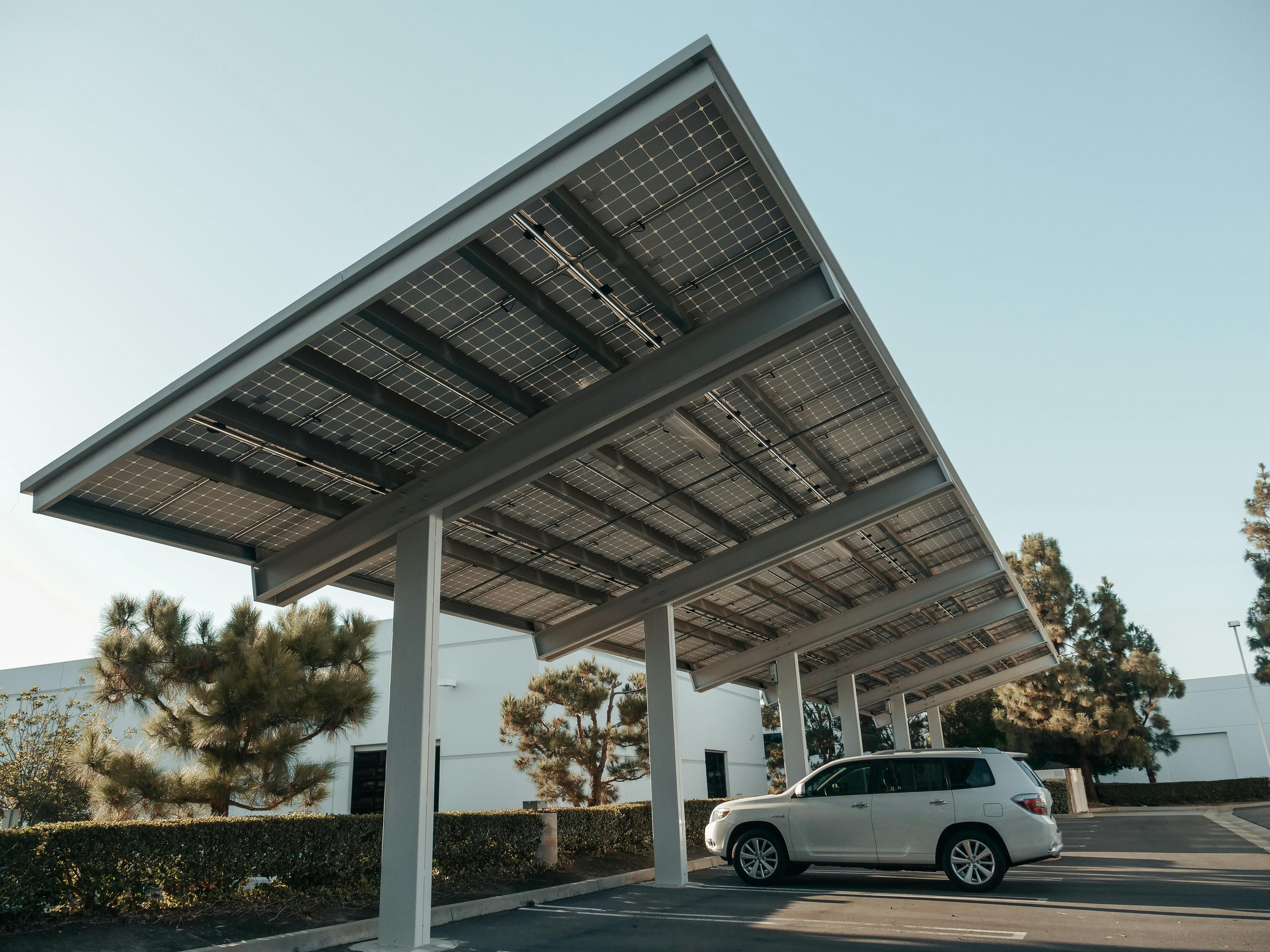
Vehicles that convert sunlight directly into driving power and recharge the battery while parked, without the need for an external charging station — sound like a compelling answer to rising energy costs and climate targets. In 2026, the technology is in a phase best described as serious but not yet ready for the mass market. Models like the Lightyear 0, the Aptera concept, or the Squad Solar City Car show what is possible, while purchase prices and model availability make it clear how far the road ahead still is.
What Is a Solar Car?
A solar car is a solar-powered vehicle designed for use on public roads or racetracks. Solar vehicles are electric vehicles that use integrated solar cells to fully or partially power the vehicle through sunlight.
A common misconception is that solar cars are completely independent of charging stations. Almost all current models remain battery-electric, with the integrated solar surface extending range and reducing external charging events without eliminating them entirely.
Advantages of a Solar Car
Cost Savings and Independence
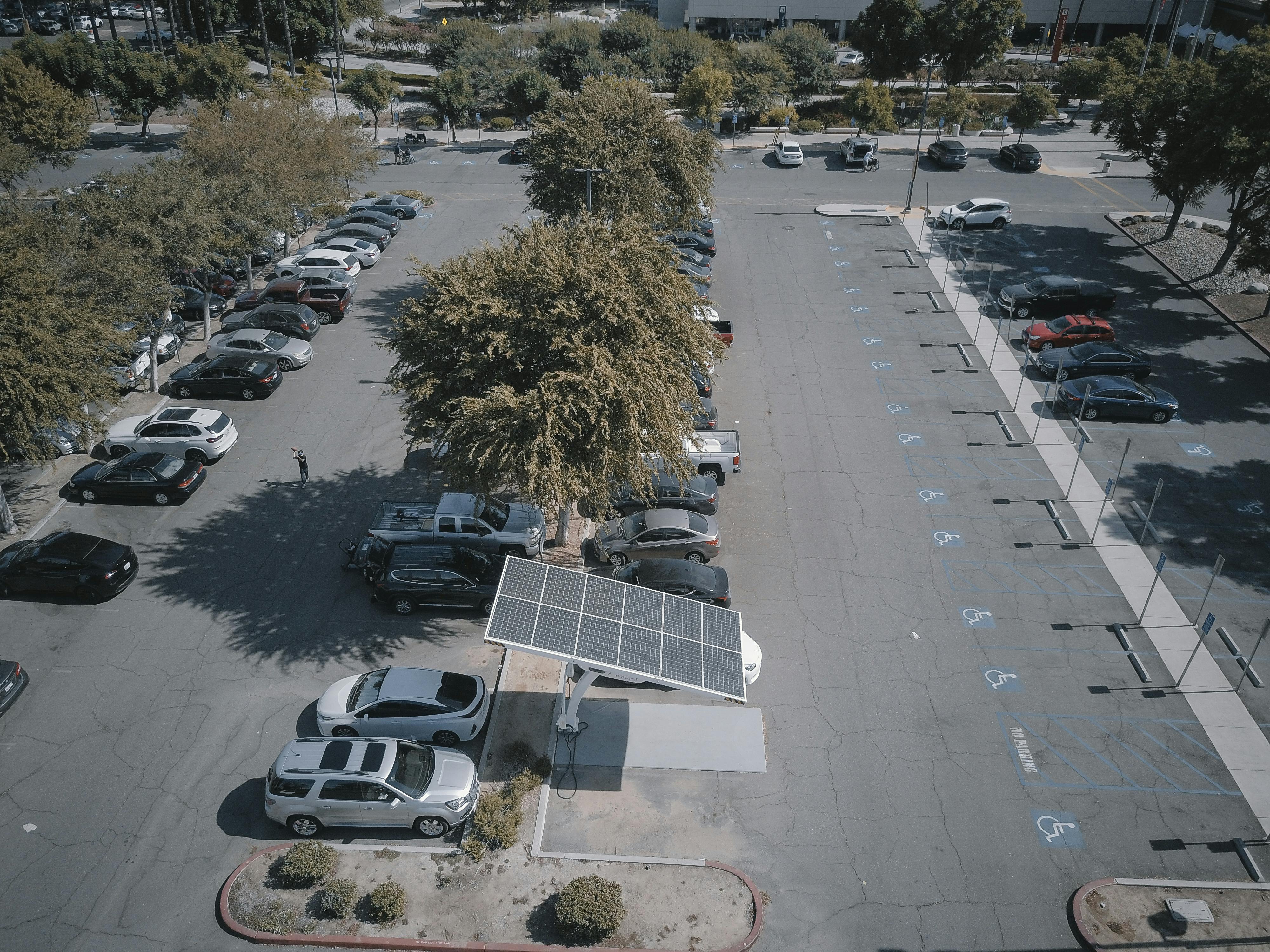
Anyone who parks their vehicle outdoors during the day charges it for free in the meantime. Three to four square metres of solar panels deliver enough energy for 20 to 70 kilometres in good sunlight, depending on vehicle efficiency and time of year. For commuters with short daily trips, this means a separate charging session is simply unnecessary on many days, adding up to savings of several hundred Swiss francs over a year.
Environmental Friendliness and CO₂ Balance
A solar car that generates some of its own electricity has a better environmental footprint than a pure battery vehicle that relies exclusively on grid power. In Switzerland, where hydropower supplies a large share of the electricity mix, the CO₂ balance per kilometre drops to a very low level with solar self-supply. Learn more about the advantages of electric vehicles.
Range and Everyday Use
The Swiss Mittelland receives around 1,700 to 1,900 sunshine hours per year, which is sufficient to cover 40 to 60 kilometres daily on solar power alone during summer. In winter, this figure drops significantly, which is why solar cars make the most sense for short, regular daily trips where conventional charging takes a back seat.
Disadvantages and Current Limitations of Solar Cars
As compelling as the advantages sound, it would be dishonest to ignore the limitations that, as of 2026, are real and can influence purchasing decisions.
Technical Constraints
The body surface area of a car is limited. Even when fully covered with high-efficiency cells, you get three to five square metres, simply not enough to power an energy-hungry vehicle on sunlight alone. Solar cells also add 20 to 80 kilograms to the vehicle weight, are exposed to dirt and hail damage, and can be costly to replace if damaged.
Affordability and Purchase Price
The Lightyear 0 was priced at around €250,000 — hardly a vehicle for the masses. More affordable options like the Squad Solar City Car are better suited as urban runabouts than full family replacements. The mass market is waiting for models that are both technically convincing and price-competitive with established electric cars, a gap that still exists in 2026.
Weather Dependence in Switzerland
Anyone living in a sun-deprived valley or driving through tunnels daily will naturally benefit less than someone who parks their vehicle on an open car park during the day. An honest assessment of your own situation matters more than any manufacturer brochure. If you're unsure whether an electric vehicle fits your lifestyle, a car subscription can be a flexible way to test different options.
Solar Cars and the Swiss Market in 2026
The actual range of models available in 2026 is still limited. The Squad Solar City Car can be ordered through selected dealers, Aptera has announced delivery plans for Europe, and further models are in pre-order or type-approval stages. Since solar cars are technically classified as electric vehicles, buyers benefit from existing cantonal programmes such as purchase incentives and reduced motor vehicle tax, though it's worth contacting the road traffic office before buying, as not all models are homologated in Switzerland. For an overview of the benefits of an eco-friendly car purchase, see our dedicated guide.
Solar Car Outlook 2026: How Will Solar Cars Develop by 2030?
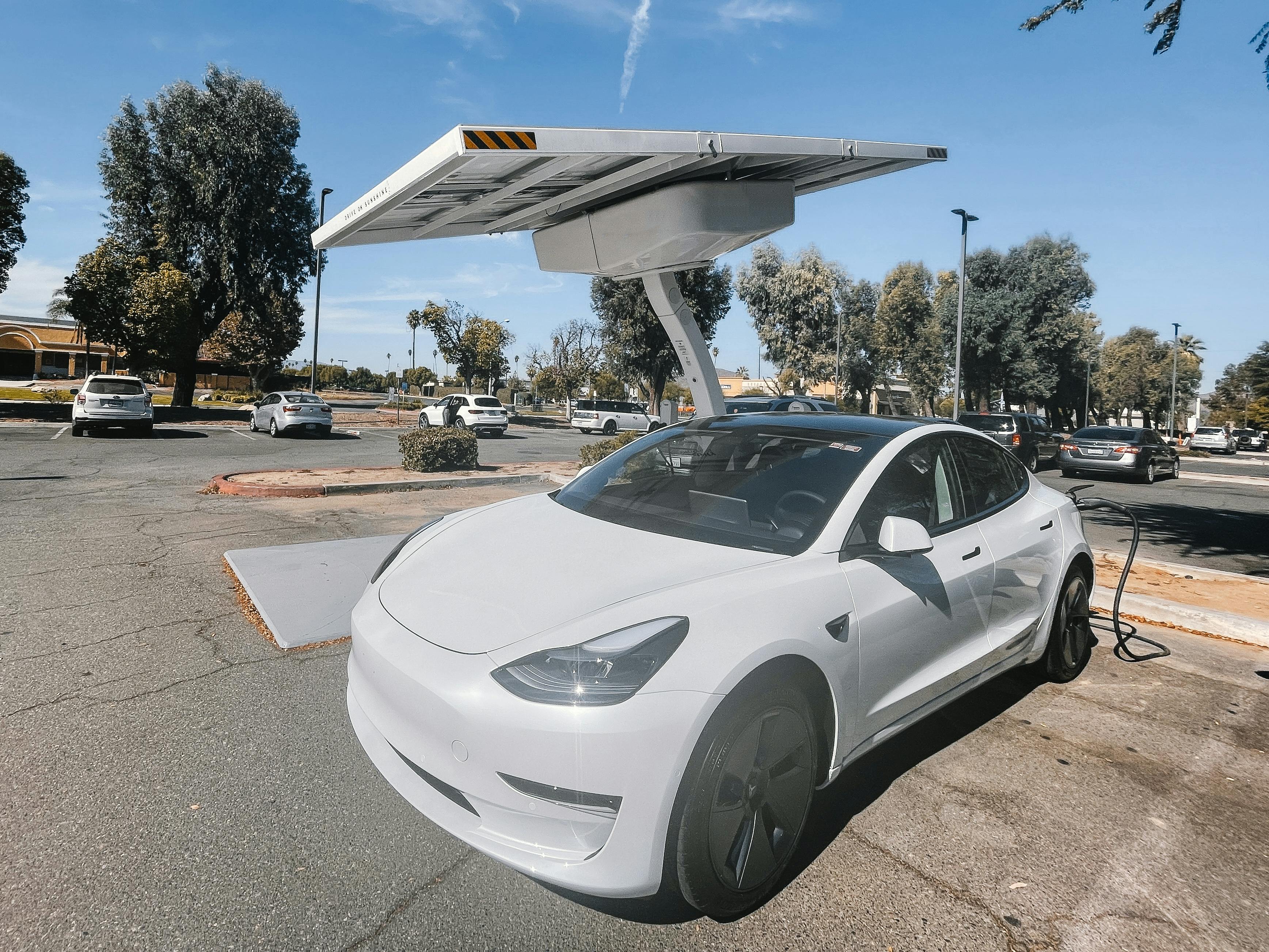
Perovskite solar cells are considered the biggest technological leap of the coming years. In laboratory settings, perovskite-silicon tandem cells have already achieved efficiencies above 33 percent, compared with 22 to 24 percent in today's vehicle cells. Toyota, Hyundai, and various start-ups have announced solar integration as a long-term standard feature, with several models expected to enter series production between 2026 and 2028.
Solar cars will not replace pure battery vehicles but will become part of them, as solar integration becomes an everyday addition, much like heat pumps are now built into new building facades. Those who buy now are early adopters; those who wait until 2028 will find a broader and more affordable selection — including in the range of electric cars at CARIFY.
Buying a Solar Car in Switzerland: What Should You Look Out For?
Buying a solar car in 2026 is still not a standard transaction, which calls for targeted preparation and careful attention when signing the contract.
Key Buying Criteria at a Glance
What matters most is the real total range from independent tests, measured under conditions that resemble the Swiss climate rather than brochure sunshine. Check whether the model supports Type 2 and CCS fast charging, ask about the warranty on the solar cells themselves and how hail damage is handled, and try to organise a test drive before signing. For those who want to explore electric mobility with less commitment, an electric car subscription is a great way to get started.
Incentives and Tax Benefits in Switzerland
Since solar cars are classified as electric vehicles, they benefit from purchase incentives, reduced motor vehicle tax, and simplified registration in various cantons. For businesses, it is worth clarifying depreciation options with a tax advisor. The homologation of the desired model should be confirmed with the road traffic office before purchase. Learn more about company electric cars and subsidies.
Frequently Asked Questions (FAQ)
How far can a solar car go on a full charge?
The battery range varies between 100 and 700 kilometres depending on the model, supplemented by a daily solar gain of 20 to 70 kilometres. For everyday trips under 50 kilometres, this is often enough without needing an external charging station.
Is a solar car worth it in Switzerland?
Those who benefit most are people who park their vehicle outdoors during the day and cover daily distances under 50 kilometres. For frequent long-distance drivers, the cost-benefit picture is less clear. For more frequently asked questions about electric mobility and car subscriptions, visit the CARIFY FAQ page.
Which solar cars are available in Switzerland in 2026?
The Squad Solar City Car can be ordered through importers, while models like Aptera are still preparing their European market launch. Further announcements are expected for 2026 to 2028.
Can a solar car run entirely on solar power?
Under ideal conditions this is temporarily possible, but in year-round Swiss everyday use, you will regularly need to fall back on conventional home charging, because solar cars are hybrids of battery and solar drive.
What does a solar car cost in Switzerland?
Simple urban vehicles start below CHF 10,000, while fully featured models with long range have so far been in the six-figure range. Models priced between CHF 30,000 and 60,000 that are technologically convincing are expected within the next two to three years.
The Future of Solar Cars: A Sober but Optimistic Conclusion
Solar cars are no longer a utopia, but they are not yet mainstream either. The technology delivers real benefits today, extending range and reducing charging costs, but is not yet capable of being a full family vehicle powered exclusively by the sun.
The most likely development in the coming years is not a standalone solar car, but solar integration as standard equipment in mid-range vehicles, much like other technologies have evolved from speciality products to the norm.
Those who buy now are early adopters accepting the limitations of a young market. Those who wait until 2027 or 2028 will find a broader selection, including among the electric cars available at CARIFY. What doesn't pay off is dismissing the topic as pie in the sky, because solar cars are a concrete step in a mobility transition that is already underway in Switzerland.