Electric Car Incentives in Switzerland 2026: Subsidies and Tax Breaks by Canton
 Kamilya
Switzerland offers no national purchase premium for electric vehicles in 2026. If you have moved here from a country with generous EV subsidies, that is the first thing you need to know. The federal government does not write you a cheque when you buy an electric car. All meaningful incentives come from cantonal and municipal programmes, and they vary dramatically depending on where you live.
In one canton, you pay zero motor vehicle tax for eight years. In another, you get nothing. This guide maps out every major incentive by canton so you can see exactly what applies in your location, plus an option for anyone who wants to try electric driving without navigating the subsidy paperwork at all.
Is there a national EV subsidy in Switzerland?
No. The only federal benefit is the exemption from the mineral oil tax, which saves roughly CHF 800 per year compared to a petrol vehicle of similar size. This saving comes from the difference between electricity costs and petrol costs per kilometre, amplified by the absence of the mineral oil levy that Switzerland charges on conventional fuels.
Since January 2024, the automobile tax of 4 percent applies to EVs as well, removing a purchase advantage that existed for years prior. If you are thinking about importing an EV from the EU, be aware that the same import taxes apply, though you avoid the CO2 penalty entirely. The signal from Bern is clear: the federal level supports electromobility through charging infrastructure strategy and CO2 legislation, not through direct purchase incentives.
All other incentives are cantonal and municipal. The Swiss Federal Office of Energy (SFOE) coordinates national energy strategy, but the cantons decide their own tax structures and subsidy budgets. This decentralised approach means your address determines your savings. Two people buying the same electric car in different cantons can face a difference of several thousand francs over the first few years of ownership.
Cantonal motor vehicle tax reductions at a glance
Motor vehicle tax is cantonal in Switzerland and varies by vehicle weight, power and canton. Many cantons offer reductions or full exemptions for electric vehicles. The annual saving ranges from CHF 300 to CHF 1'500 depending on the vehicle and location.
Cantons with full tax exemption
Zurich offers a 100 percent exemption for pure electric vehicles for eight years. It is one of the most generous schemes in the country. Glarus, Solothurn and Nidwalden go further and exempt electric vehicles permanently, with no time limit. Valais, Ticino and Basel-Landschaft grant full exemption for the first four years, after which the standard rate applies.
On a vehicle with an annual tax bill of CHF 800, the full exemption in Zurich saves you CHF 6'400 over eight years. In Glarus or Solothurn, that saving continues indefinitely.
Cantons with partial reduction
Bern reduces motor vehicle tax by 50 percent for four years. Vaud offers a permanent 50 percent reduction. St. Gallen uses a bonus-malus system that exempts EVs from motor vehicle tax for the first four years, then applies a 50 percent discount for vehicles in energy efficiency category A. Geneva grants a full three-year exemption.
The pattern across these cantons is consistent: the largest benefit arrives in the first few years after purchase. If you plan to drive your EV for five years or longer, factor the exemption duration into your total cost calculation. A permanent 50 percent reduction in Vaud saves more over a ten-year ownership period than a full exemption in Geneva that lasts only three years.
The TCS motor vehicle tax guide publishes the current rules per canton and is updated annually. It is the most reliable single reference for up-to-date cantonal rates.
Cantons with little or no incentive
Aargau, Lucerne and Schwyz offer no or minimal benefits for electric vehicles. Schaffhausen provides no efficiency-based discount. If you live in one of these cantons, the tax savings argument for an EV is weaker, though lower running costs (cheaper electricity, less servicing) still apply.
Check the latest conditions with your cantonal energy office before making a purchase decision. Programmes change annually, and some cantons introduce or discontinue incentives without major announcements.
Purchase premiums: which cantons pay cash?
As of 2026, only a handful of cantons offer direct purchase premiums. Ticino pays up to CHF 4'000 for new EVs with a list price under CHF 50'000. Basel-Stadt grants up to CHF 3'500 for vehicles emitting under 50 grams of CO2 per kilometre. Vaud offers up to CHF 2'000, with the amount depending on income.
All other cantons have discontinued their purchase premium programmes or are reviewing new models. These premiums are budget-limited and have run out before their official end date in previous years. If your canton offers one, apply early.
Pay attention to the conditions in detail. In Ticino, the premium applies only to new vehicles under a certain list price, not to used cars. In Basel-Stadt, the CO2 threshold is what counts, not the drivetrain alone. Plug-in hybrids emitting more than 50 grams of CO2 per kilometre fall outside the incentive in most cantons. The SFOE publishes overviews of active cantonal programmes, which are a solid starting point for your research.
Charging station grants: subsidies for home and workplace charging
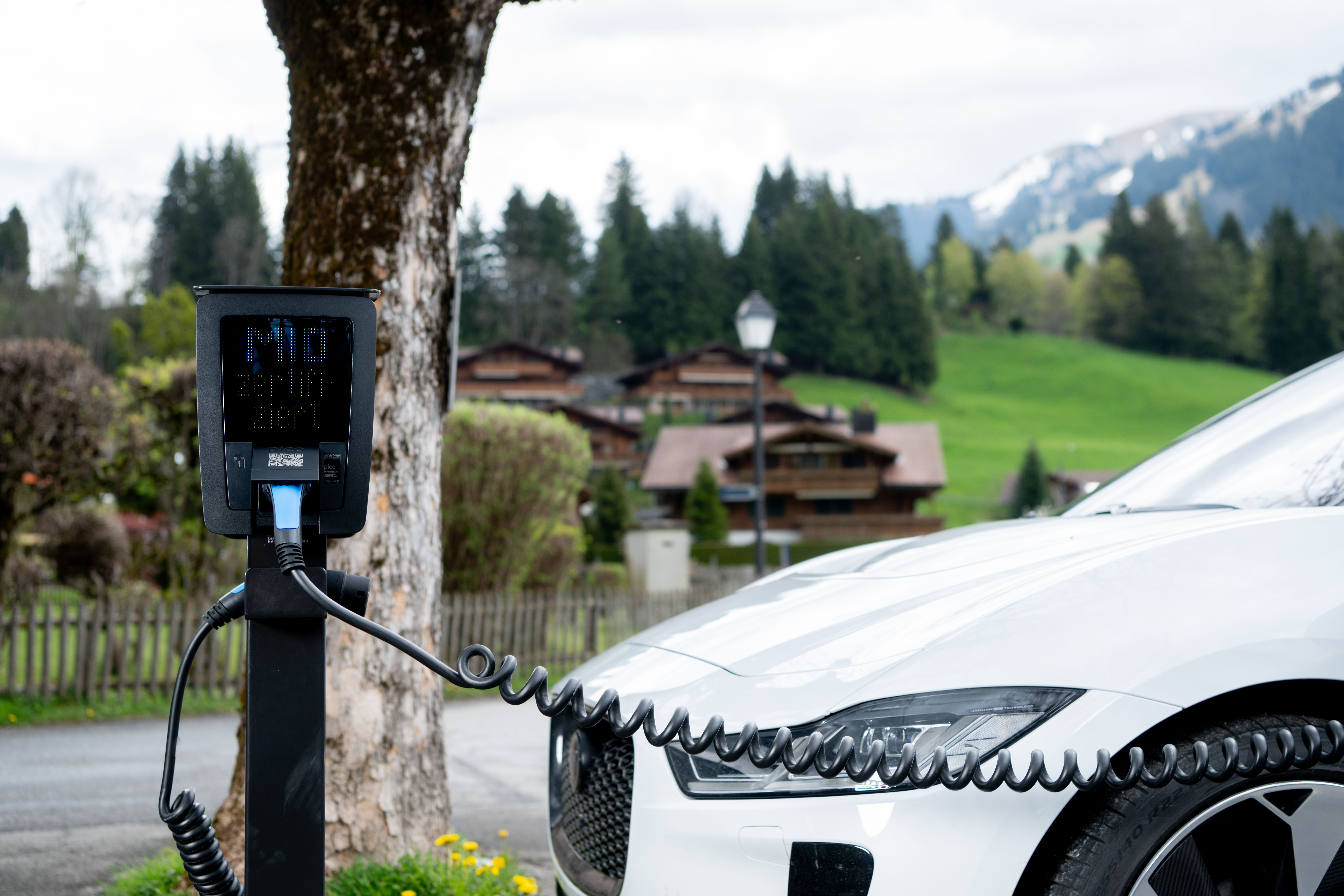
Charging grants are the weakest part of most competitor guides on this topic, yet they affect anyone living in an apartment building. Without a home charging station, you depend on public infrastructure, which can be inconvenient for daily use.
Zurich runs a charging infrastructure programme, but as of July 2026, over 94 percent of the funding has been allocated. If you want to apply, move fast. Vaud subsidises charging stations with up to CHF 1'500 per station. Geneva pays up to CHF 800 for home wallboxes. Fribourg offers up to CHF 1'000. Bern supports charging infrastructure in owner-occupied flats with up to CHF 3'000.
One detail many people miss: municipalities often offer their own grants on top of cantonal programmes. Check with your local council. In some cases, you can stack cantonal and municipal subsidies, which brings the net cost of a home wallbox down to a fraction of the list price.
If you rent in a multi-family building, the decision to install a charging station sits with the landlord or the owners' association. In this case, it helps to compile the available subsidies and present them to your landlord. Cantonal energy offices offer advisory services for building owners considering charging infrastructure retrofits.
Test an EV without the purchase decision: the EV subscription
If you want to try an electric car without committing to a model, a canton or a subsidy application, an EV subscription removes the entire purchase decision from the equation. At CARIFY, EV subscriptions start from CHF 299 per month with service, taxes and cantonal registration included.
No purchase risk, no depreciation, no paperwork. You drive the EV as long as you want, switch models or return it without tying up capital. For newcomers to electric driving, for anyone undecided between models, or for residents in cantons with no meaningful incentives, this is the pragmatic entry point. You find out whether an electric car fits your daily life before you commit CHF 30'000 or more to a vehicle you might not keep.
A subscription also makes sense if you are between cantons or unsure how long you will stay at your current address. Since tax benefits depend on your canton of residence, a move can change your calculation entirely. With a subscription, you stay flexible while you figure out your situation. If you have just arrived in Switzerland and still need to get or convert your driving licence, a subscription means you can start driving the moment your licence is sorted.
Does Switzerland subsidise electric cars?
There is no national purchase premium. A handful of cantons (Ticino, Basel-Stadt, Vaud) pay direct grants. The most common incentive is a cantonal motor vehicle tax reduction of 25 to 100 percent. The amount and duration depend on your canton, and programmes change year to year.
Is an electric car cheaper to run in Switzerland?
Running costs sit lower than for petrol or diesel vehicles. Electricity is cheaper per kilometre than fuel, and electric vehicles need less servicing because they have fewer moving parts. No oil changes, less brake wear thanks to regenerative braking, no exhaust system corrosion. Whether the higher purchase price pays off overall depends on your canton (tax benefits), your annual mileage and the model you choose. In cantons with full tax exemption and for drivers covering 15'000 kilometres per year or more, the numbers tend to work in your favour. For low-mileage drivers in cantons without incentives, the payback period stretches longer, though the running cost advantage still accumulates over time.
Conclusion
Switzerland does not subsidise electric vehicles at the federal level in 2026, but cantonal programmes create meaningful savings, especially on motor vehicle tax. The differences between cantons are large and the rules change regularly. Check your cantonal energy office before you buy. And if you want to experience electric driving without the commitment, an EV subscription at CARIFY starts from CHF 299 per month, with everything included and no purchase required. For a broader comparison of temporary vehicle options including monthly rental costs and conditions, we have a separate guide.