Preparing Your Car for Autumn: Safety and Maintenance Checklist
 Kamilya

Autumn shows its most picturesque side when colourful leaves adorn the landscape and nature turns to warm tones. While it’s a beautiful sight for us, it poses special challenges for your car. Dense morning fog can make your commute slow, while early darkness in the afternoon already requires lights. Slippery leaves turn harmless road curves into dangerous sections, and constantly changing temperatures strain different parts of the vehicle.
Many car owners get their first unpleasant surprise with the first frost. The headlight that worked perfectly during the warm summer months turns out to be inadequate or dirty in thick fog. The battery that performed flawlessly for months suddenly fails on the first cold mornings.
With the right preparation, you can avoid such unpleasant situations and unexpected costs. It’s not only about safe driving but also about keeping your vehicle in top condition through the cold months ahead.
What You’ll Learn
How to prepare your car for autumn’s fog, rain, and falling temperatures.
The best time to schedule your seasonal vehicle check before winter hits.
Essential maintenance steps for lights, tires, and battery performance.
Practical ways to protect your car’s body and interior from moisture and dirt.
How to stay safe on slippery roads and handle common autumn driving hazards.
Why an Autumn Checklist for Your Car Matters
The changing autumn conditions put stress on different vehicle components in different ways. While mornings can still be mild, temperatures can drop below freezing in the evening. These extreme fluctuations make rubber seals brittle, strain electronic systems due to high humidity, and force the lighting system to work much harder than in the summer months.
A systematic autumn checklist helps you tackle these seasonal problems in advance. Instead of waiting for defects to appear, you can act preventively and gain the confidence that your vehicle will remain reliable even under difficult conditions.
Small defects tend to develop into major problems if they aren’t fixed in time. A tiny stone chip in the windshield can turn into a large crack in freezing weather, requiring costly replacement. Batteries lose significant power in low temperatures, leading to frustrating starting problems on cold mornings.
Regular checks are a smart investment — they take little time but can save you considerable repair costs and frustration later.
When Is the Right Time for an Autumn Check?
The ideal time for a thorough autumn check is between mid-September and early October, before the first frost sets in. At this time, workshops usually still have enough capacity and aren’t yet overloaded by the winter rush. Those who wait too long risk longer wait times and higher costs.
An early autumn check offers a decisive advantage: enough time for necessary repairs. If the battery shows signs of weakness or the brakes need servicing, there’s plenty of time for relaxed scheduling. No one wants to stand in front of a car that won’t start on a frosty morning, especially when an important appointment is waiting.
The weather itself provides useful cues. Once nighttime temperatures regularly fall below ten degrees, your autumn check should already be complete. This way you’ll be prepared if an unexpected cold wave hits earlier than forecast.

Visibility and Lighting - Clear Vision in Fog and Darkness
With shorter days and unpredictable autumn weather, good visibility becomes a crucial safety factor. The first step should be a thorough cleaning of all headlights and taillights. Even a thin layer of dirt can drastically reduce light output, which quickly becomes a safety risk in fog or dusk.
All light sources deserve a systematic inspection. Defective bulbs must be replaced immediately, as they not only endanger road safety but can also result in fines. Even modern LED lights are not infallible and can fail in extreme temperature fluctuations.
Wipers face particular challenges in autumn rain, morning dew, and the first slush. Wiper blades that squeak or leave streaks should be replaced without hesitation. At the same time, refill the washer fluid and switch to a frost-resistant mix.
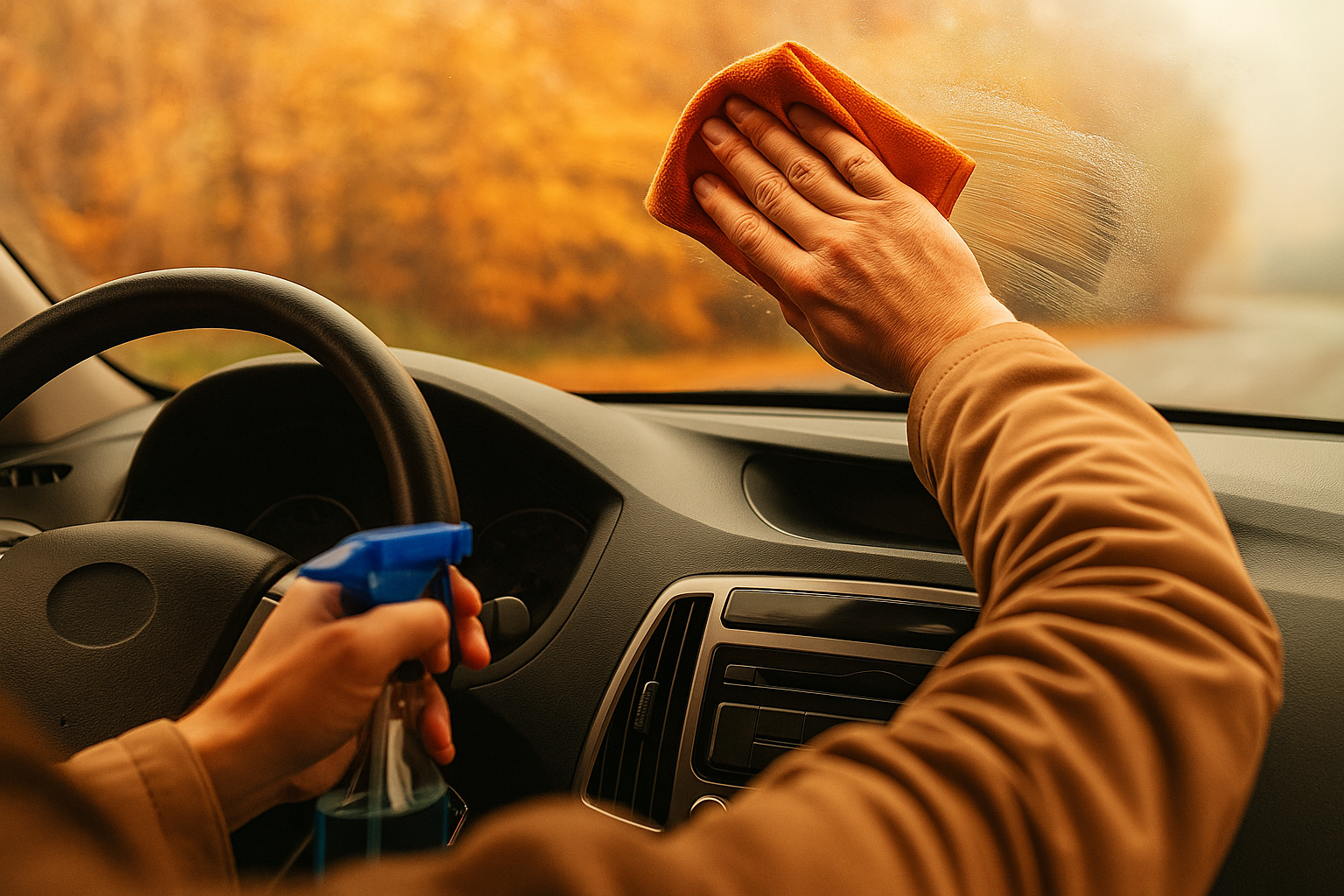
The inside of the windows is often overlooked, even though it greatly affects visibility. Clean interior windows fog up less quickly and are easier to keep clear. The air conditioning system should also work perfectly, as it helps dehumidify the interior and prevents foggy windows.
Tires and Brakes - Secure Grip on Wet Roads
Tires are the only connection between the vehicle and the road surface, so checking them should be an absolute priority. Measure tread depth in several places, as uneven wear often indicates suspension alignment problems. On wet autumn roads, every millimeter of tread is vital for grip.
Falling temperatures noticeably affect tire pressure. For every ten-degree drop, pressure decreases by about 0.1 to 0.2 bar. Measure when tires are cold and adjust pressure according to the manufacturer’s specifications. Too little pressure increases fuel consumption and worsens handling.
Timely consideration of suitable tires can save you stress later. Experienced drivers plan their tire change in advance so they’re not caught unprepared by sudden temperature drops. Professional workshops can give sound advice on the best options for your driving habits and local weather.
Brakes have to work under much tougher conditions in wet weather. Unusual noises when braking or a spongy pedal feel should be taken seriously. Surface rust on brake discs after long parking periods is normal and should disappear after a few braking maneuvers.
Battery, Fluids, and Technology - Prevention Beats Breakdown
Car batteries show their weakest side in autumn and winter conditions. Low temperatures significantly reduce available capacity while more power is needed for lighting, heating, and other electrical consumers. Batteries that are four years old or more should definitely be tested by a professional.
Corroded or loose battery terminals often cause starting problems that get worse in cold weather. Thorough cleaning of the contacts and a thin layer of terminal grease improve conductivity and prevent further corrosion. Loose connections should be tightened so electricity can flow freely.
Regularly checking all essential fluid levels is part of responsible car maintenance. Engine oil should be between the marks and have a clean color. Used oil loses fluidity in the cold and strains the engine. The cooling system needs enough antifreeze to prevent frozen lines and costly damage.
The washer system also deserves attention. Add antifreeze according to expected temperatures, since frozen lines can lead to expensive repairs. Brake fluid should be clear and free of discoloration, as contaminated fluid can reduce braking performance.
Modern vehicles have complex electronic systems that are sensitive to moisture. All warning lights should be checked for proper operation, and any error messages must be taken seriously. Sensors for rain, light, and parking assistance can be affected by dirt buildup and should be cleaned occasionally.
Body and Interior - Protection Against Moisture and Dirt
Harsh autumn conditions attack the vehicle’s body in various ways. A thorough car wash removes salt residue from summer and prepares the surface for the months ahead. Pay special attention to hard-to-reach areas such as wheel arches and the underside of the car, where stubborn dirt tends to accumulate.
A good paint sealant or wax layer provides effective protection against moisture and makes later cleaning easier. Small stone chips or surface scratches should be treated before winter, as moisture can collect there and promote rust. What seems harmless at first often develops into a bigger problem.
Door seals require special care to prevent them from freezing and tearing. After cleaning, apply rubber care products to maintain flexibility. Window and trunk seals also benefit from this treatment and stay functional longer.
Inside, waterproof floor mats protect carpets from moisture and dirt. The ventilation system should work flawlessly and be free of blockages. Effective ventilation prevents foggy windows and unpleasant moisture build-up.
Remove unnecessary items from the cabin, especially those that absorb moisture. Newspapers, cardboard, or fabric materials encourage mold when humidity is high. A dehumidifier can help in critical cases.
Safety on the Road - Understanding Autumn Hazards
Autumn leaves turn familiar roads into slippery obstacle courses. It becomes especially treacherous when wet leaves form a greasy layer on the asphalt, as slick as ice. Such conditions require slower speeds and greater distance, especially in corners and when braking.
Fog can reduce visibility drastically within minutes and demands extra caution. Fog lights should only be used when visibility is truly poor and turned off when it clears. Low beams should be on during the day so other drivers can see you better.
Autumn also marks peak wildlife-crossing season. Deer and other animals are particularly active at dawn and dusk. In forested areas, stay alert and be ready to brake — controlled braking is often safer than risky swerving.
Sudden rain showers can turn dry roads dangerously slippery within minutes. The first rain after long dry periods is especially tricky because dust and oil residues create a slick film. When it starts raining, test tire grip carefully before resuming normal speed.
Preparing for Winter - Plan Ahead
Careful autumn maintenance lays the foundation for a trouble-free winter. Now is the time to assemble a good emergency kit that can be invaluable in unexpected situations. A quality ice scraper, effective de-icer spray, and warm gloves are essential basics.
A strong flashlight with fresh batteries, a warm blanket, and jumper cables can be crucial in case of breakdowns or long waits. Store this emergency gear securely in the trunk so it’s always within easy reach.
Knowing local workshops and their winter availability can save you stress later. Some services become more expensive or harder to get in winter. A good relationship with a trusted garage pays off when you need quick help.
It’s also worth considering which simple maintenance tasks you can handle yourself. Refilling washer fluid or jump-starting a weak battery can be done easily with a bit of preparation and the right tools. This way, you stay capable even in minor emergencies.
The right equipment in the car helps you handle unexpected situations. Warm clothing, snacks for long waits, and a fully charged phone can make all the difference in an emergency.
Key Takeaways
Mid-September to early October is the best time for a full autumn car check.
Clean lights, working wipers, and frost-safe washer fluid ensure visibility in fog and early darkness.
Check tires and brakes for wear - they face extra stress in wet, cold weather.
Protect your car’s body and interior from moisture and dirt build-up.
Keep an emergency kit and drive carefully to handle slippery roads and wildlife safely.
Conclusion - Stay Safe on the Road This Autumn
A systematic approach makes the challenges of the transitional season manageable. The main points of an autumn checklist can be handled in a weekend, while larger maintenance jobs can be planned ahead.
Regular small checks prevent big problems and ensure reliable vehicle function even in harsh conditions. The time you invest in careful preparation now pays off later through fewer repairs and less hassle.
A well-prepared car turns autumn drives into a relaxed, safe experience. Instead of worrying about breakdowns, you can focus on the colourful beauty of the season while your car performs reliably.
Frequently Asked Questions
Which car parts are most affected by cold and moisture?
Batteries, seals, lighting, and electronic components are especially sensitive to temperature fluctuations and high humidity. These parts require extra care during the transitional season.
What should be in a winter emergency kit?
A complete kit includes a quality ice scraper, effective de-icer spray, warm gloves, a strong flashlight with fresh batteries, a warm blanket, and jumper cables for breakdowns.
Which fluids should I check before winter?
Pay particular attention to washer fluid with antifreeze, coolant, engine oil, and brake fluid. These fluids must withstand winter temperatures to avoid costly damage.