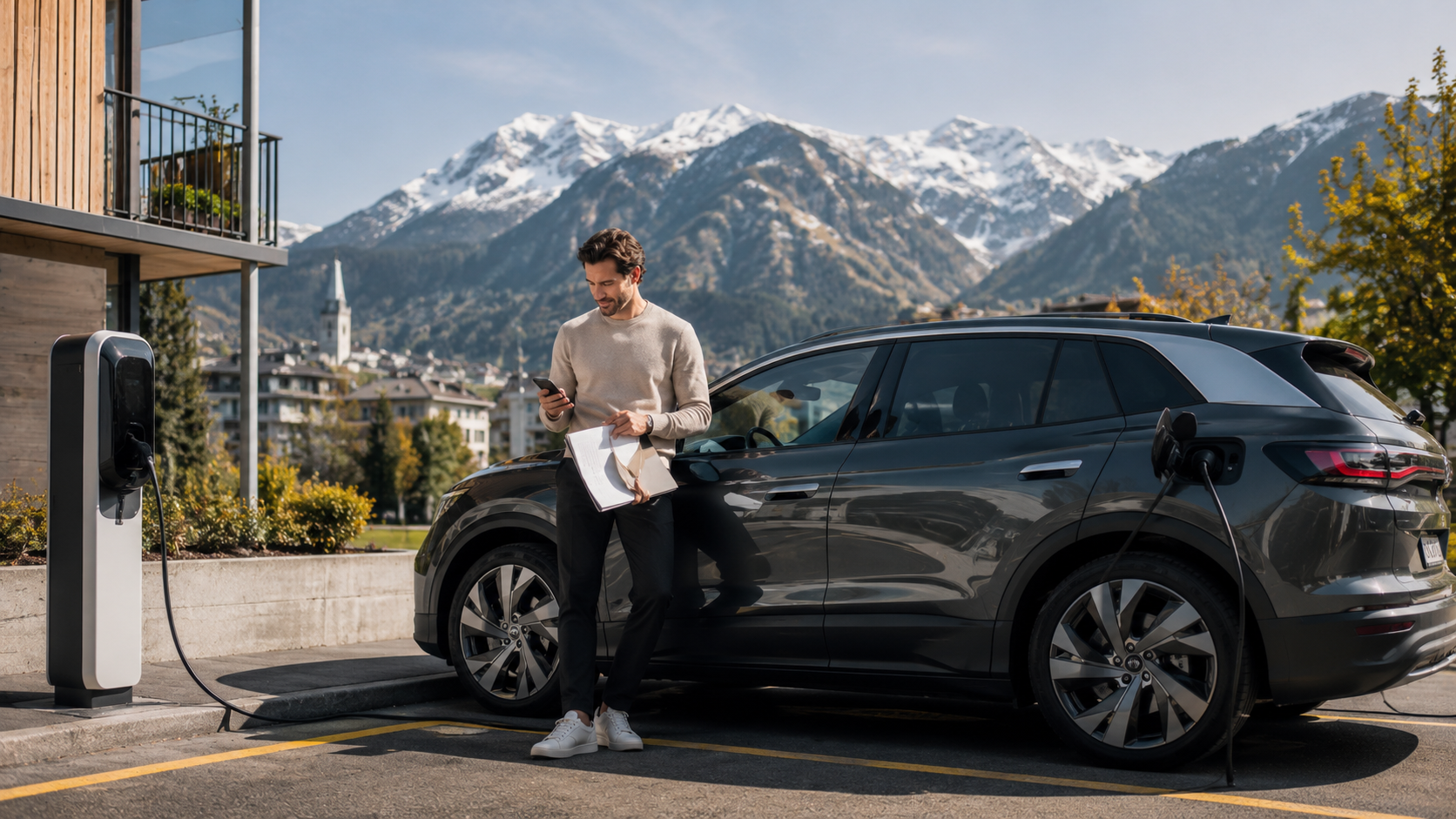
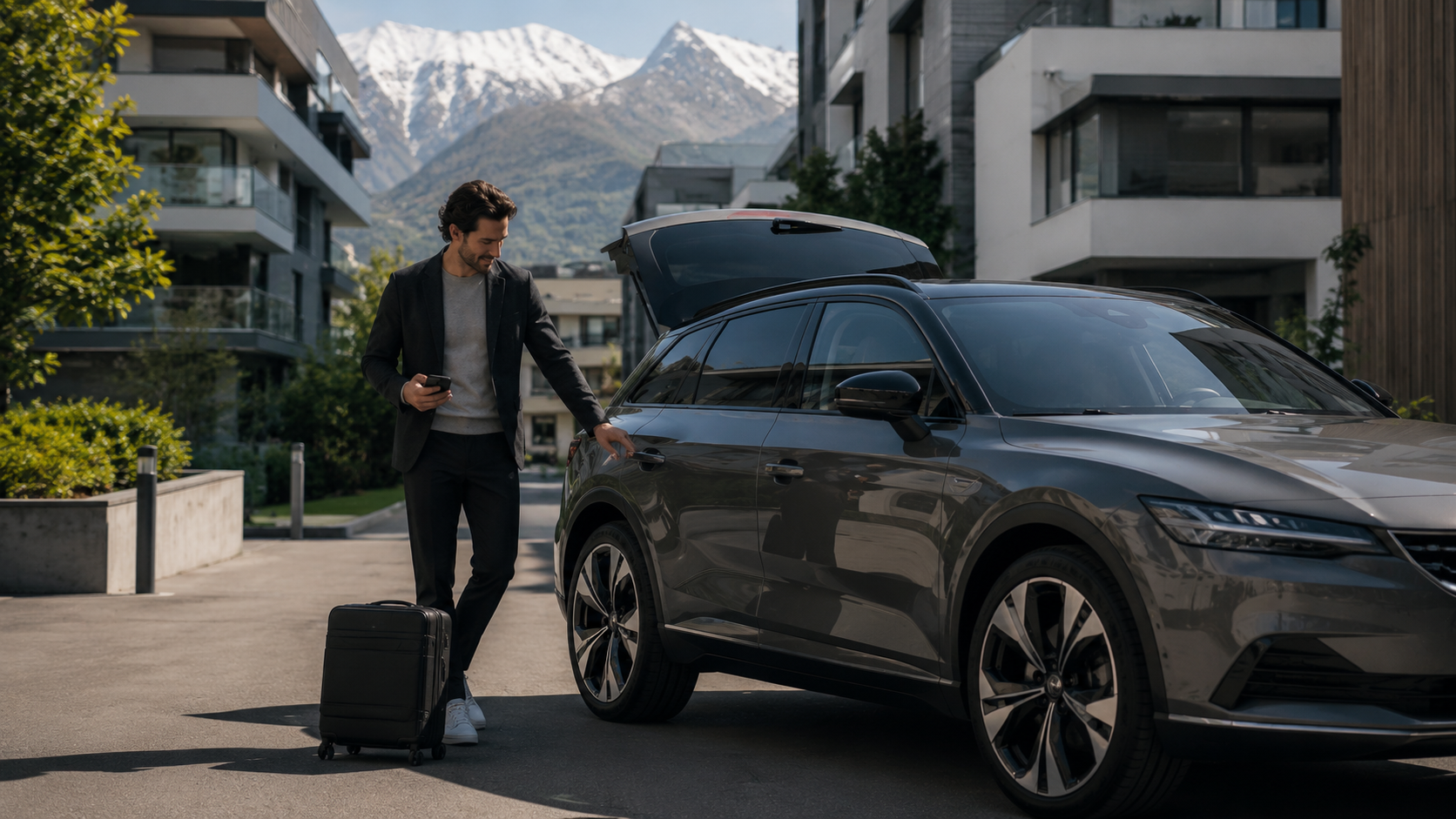
Car Trends 2026: The Most Important Developments for Swiss Drivers
 Kamilya
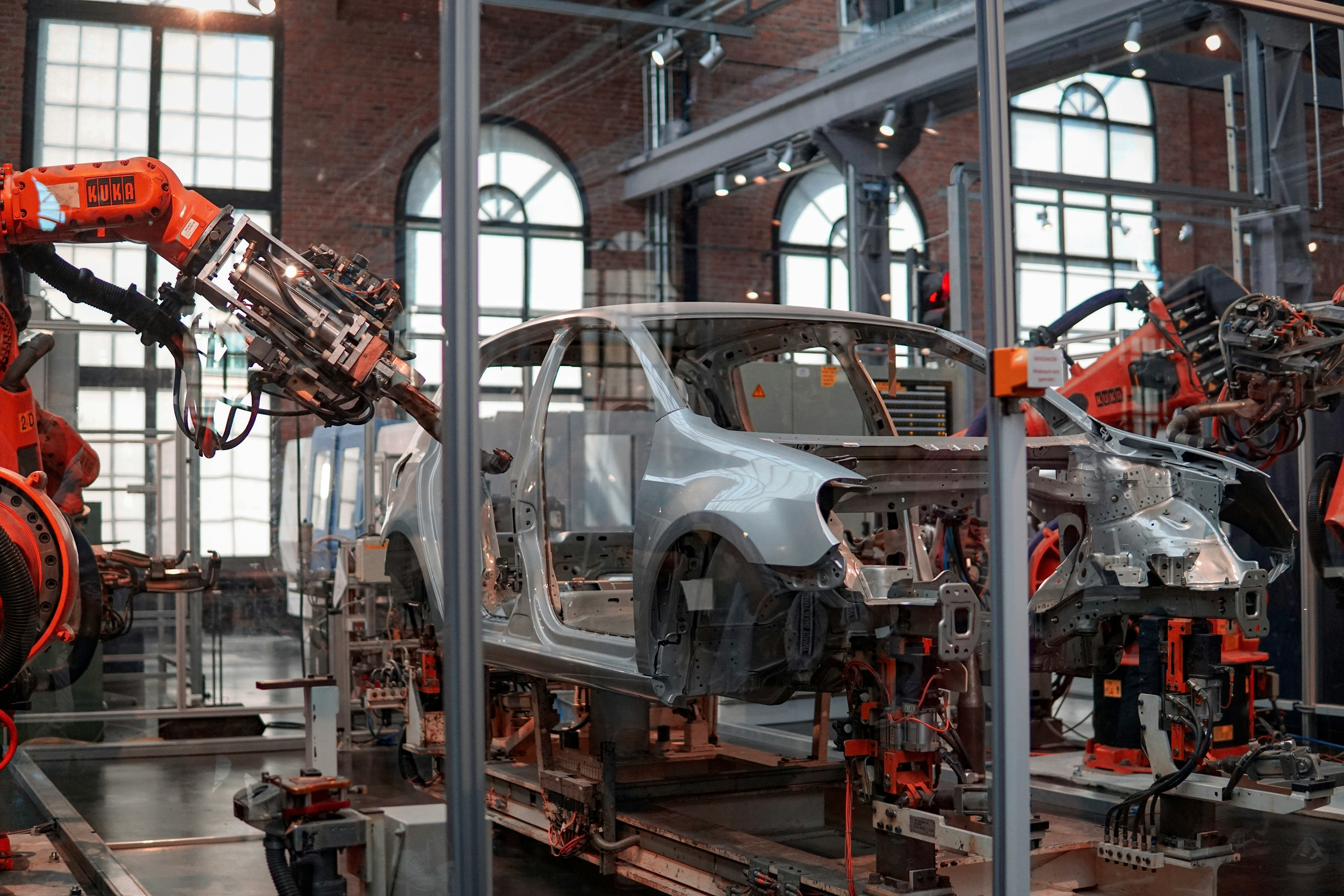
The automotive industry is in the midst of transformation, and at a pace that is hard to escape. 2026 is a genuine turning point for Swiss drivers, because new EU emissions standards are forcing manufacturers to rethink, the range of electric models is larger than ever before, and autonomous driving is slowly but surely entering everyday reality.
According to the Federal Statistical Office, the motorisation rate in Switzerland remains high, with over 580 passenger cars per 1,000 inhabitants. At the same time, the share of alternative powertrains is growing steadily: Auto-Schweiz reported an electric share of over 25% of new registrations for 2025, and in 2026 that figure is likely to rise further. What this means in practice is explained through seven key car trends with a clear Swiss focus and concrete tips for your next purchase decision.
Trend 1: Electric Mobility Becomes the New Normal
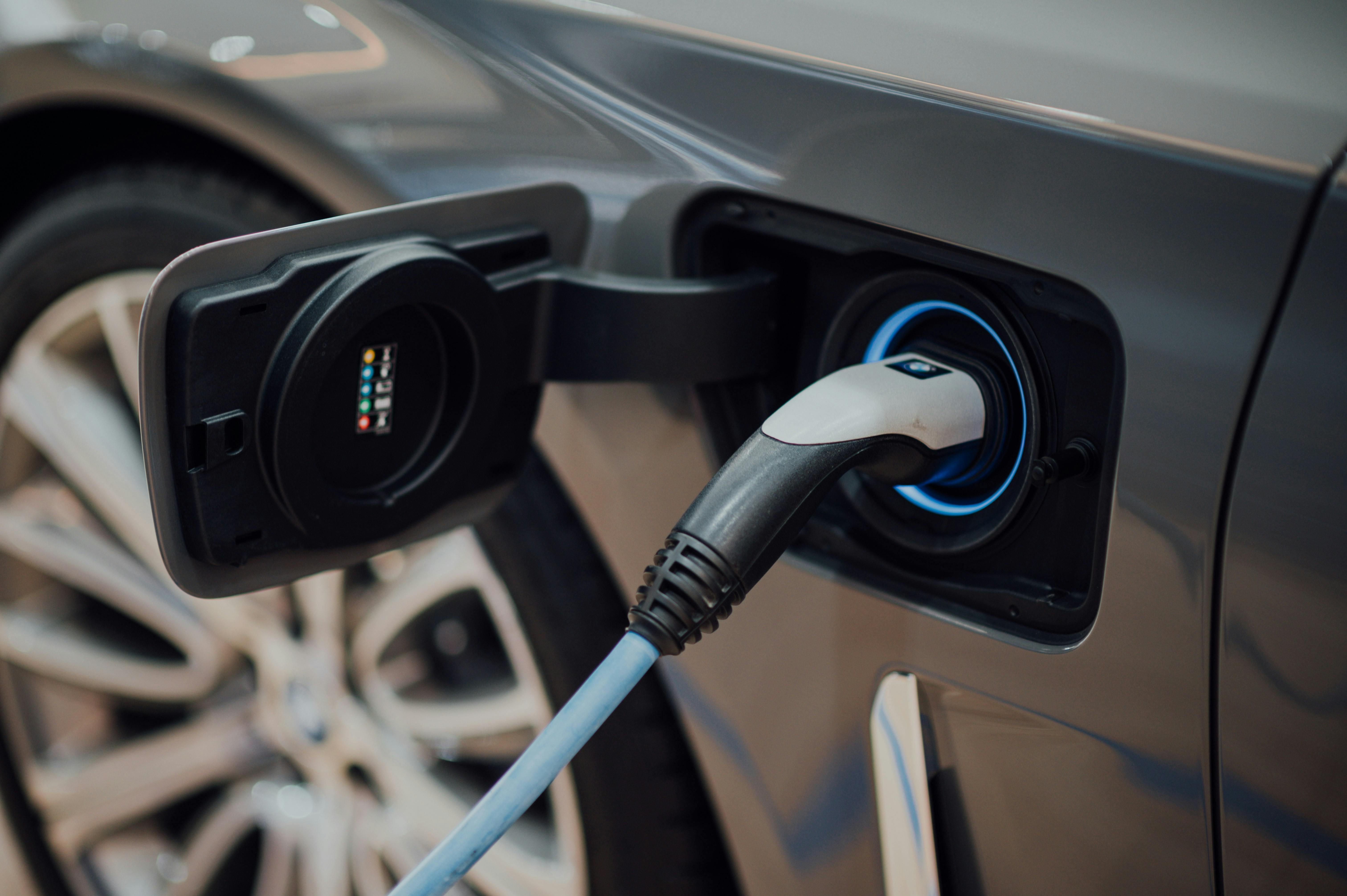
The electric car is no longer a niche product. According to Auto-Schweiz and ASTRA, the share of fully electric vehicles among new registrations in Switzerland has risen continuously between 2024 and 2026, driven above all by the EU requirement to stop selling new combustion-engine cars from 2035. Manufacturers are investing billions in electrifying their line-ups, and the result is already noticeable in the Swiss showroom. The range has grown across all segments: in the small-car segment, the Citroën ë-C3 together with the Renault 5 E-Tech is setting new benchmarks in terms of price and performance, while in the SUV segment the VW ID.4 and Kia EV6 impress with ranges of over 450 km. For those who prefer premium, the BMW iX or Mercedes EQS deliver at the highest level. Purchase prices are falling noticeably thanks to declining battery costs and growing production, making the switch attractive for an increasing number of Swiss households.
The charging infrastructure has also improved substantially. Providers such as Fastned, Ionity and the SBB are continuously expanding their networks, and so-called “range anxiety” is losing significance thanks to better route-planning apps like ABRP. The combination of more models, lower prices and better charging infrastructure makes 2026 the best year yet to make the switch. Find out more about the advantages of electric cars.
New Electric Models 2026 at a Glance
Particularly interesting in 2026: the Tesla Model 3 Highland has fully arrived on the Swiss market, and Volkswagen is launching the ID.2, a compact electric car for under CHF 25,000, setting a new price floor. Hyundai impresses with the IONIQ 6 Sedan, and Peugeot is opening up the family budget to electric driving with the e-3008. The selection for every budget is bigger than ever before.
Charging Infrastructure in Switzerland: Status and Expansion
Switzerland currently has more than 10,000 public charging points, and the number is growing steadily. SBB charging stations at railway stations allow convenient charging while you travel by public transport. Ionity is continuing to expand its high-power corridors on motorways, and Fastned is focusing on suburban locations and shopping centres. App-based roaming through services such as Plugsurfing or MOVE simplifies payment at different stations and makes everyday use even more convenient. For a detailed overview, see our guide on where and how to charge your electric car.
Incentive Programmes and Tax Benefits for EVs
Various cantons, including Zurich, Berne and Aargau, offer tax discounts for electric vehicles, and the federal incentive programme supports the expansion of charging infrastructure for private individuals and businesses. VAT on electricity is also lower than on petrol, which provides a noticeable cost advantage in everyday operation. Our guide to buying an eco-friendly car covers the details.
Trend 2: The Software-Defined Vehicle – the Car as a Computer on Wheels
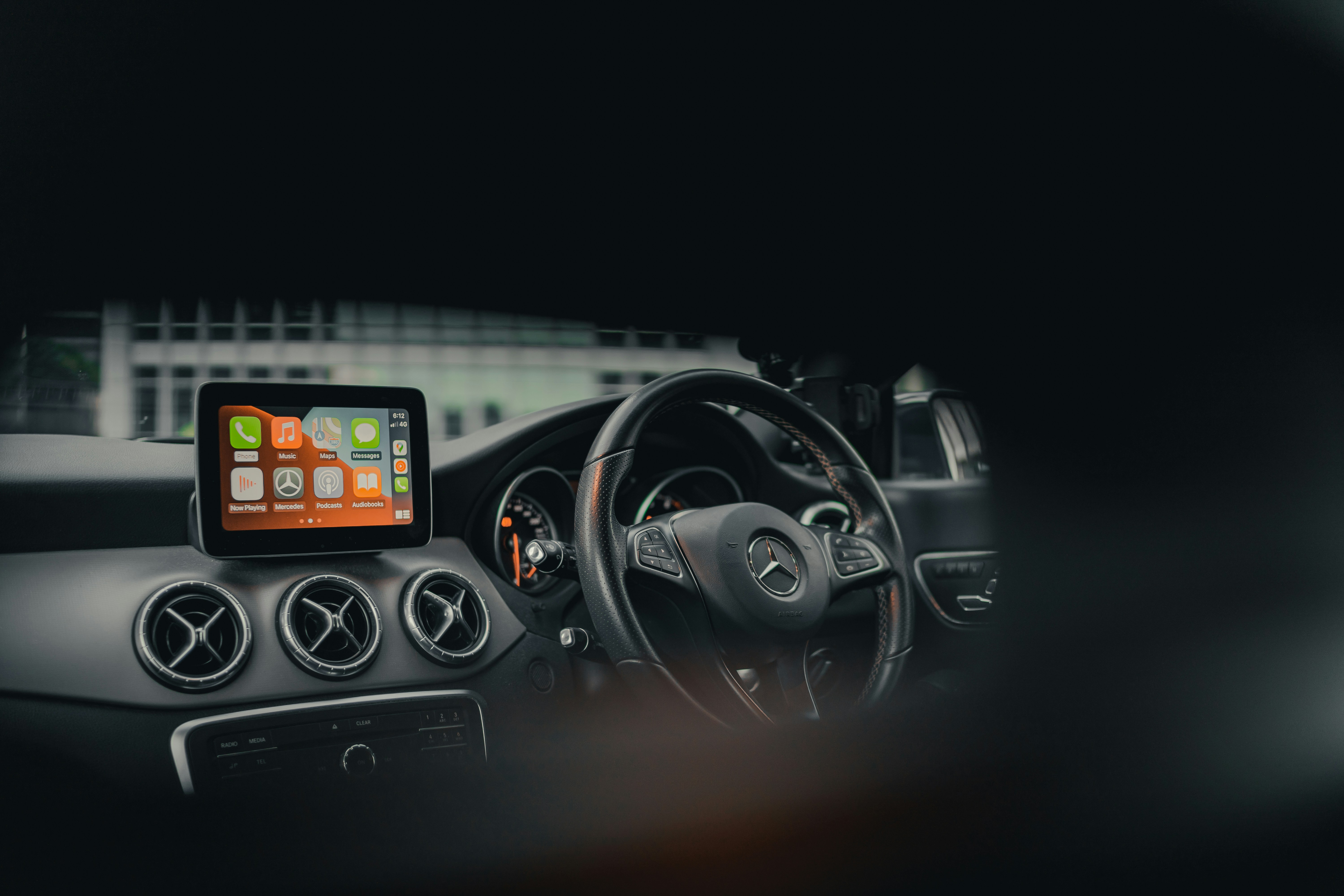
A software-defined vehicle, or SDV for short, is a vehicle whose functions are primarily defined by software and can be updated, improved or expanded after purchase via over-the-air updates (OTA). The smartphone analogy is apt: just as the iPhone gains new features with the next iOS update, the car of tomorrow will expand its capabilities through software updates without you ever having to visit the garage.
Tesla, Volvo and BMW are the pioneers of this concept. Tesla regularly updates its vehicles with new Autopilot features, improved efficiency and even games, while BMW and Volvo follow closely with their own OTA strategies. Bugs can be fixed quickly, and personal customisation, from fine-tuning driver assistance to interface design, is becoming the norm.
The flip side of this concept is that an SDV brings new risks. Cybersecurity becomes a critical topic, because a hacked car is a serious threat. In Switzerland the new Data Protection Act (nDSG) also applies, imposing strict requirements on the processing of personal data. Car manufacturers must be transparent about which data they collect and how far they share it with third parties. Anyone buying a connected vehicle in 2026 should be clear about these aspects.
Over-the-Air Updates: Opportunities and Risks
OTA updates save time and money because no workshop appointment is needed and the update is installed overnight via Wi-Fi. On the other hand, software errors introduced by an update can be safety-relevant, which has prompted the EU and Switzerland to work on a regulatory framework for OTA updates affecting safety-critical systems. The technology is promising but needs clear guardrails.
Data Protection in the Connected Car – What Applies in Switzerland?
The nDSG has been in force since September 2023 and places strict requirements on all data processors. Manufacturers must clearly inform their customers which data the vehicle collects, from GPS coordinates to driving-style data, and in the vehicle menu of most new models you can adjust for yourself which data you wish to share. It is worth examining these settings closely when first setting up your new vehicle.
Trend 3: Autonomous Driving – Where Do We Actually Stand?

The SAE automation levels run from Level 0 (no assistance) to Level 5 (fully autonomous driving without a driver). As of 2026, Level 2+ and Level 3 are available as standard, while Level 4 and 5 on public roads remain a vision for the future, even though the topic is regularly sold as bigger than it actually is. Mercedes-Benz has launched the Drive Pilot, a Level 3 system: in traffic jams on motorways at up to 60 km/h, the driver may take their hands off the wheel and attend to other things, with legal backing. Tesla FSD (Full Self-Driving) effectively operates at Level 2+ and still requires the driver’s full attention. For Swiss roads, ASTRA and the Road Traffic Act are in the process of legally regulating automated vehicles.
Realistically: pilot projects for robotaxis are possible by 2028 to 2030, but a widespread public offering will take additional time after that. Infrastructure, regulation and societal acceptance must first be brought onto common ground, which experience shows takes more time than manufacturers suggest in their press releases.
SAE Automation Levels Simply Explained
Level 0 means no assistance. Level 1 covers individual assistance features such as cruise control. Level 2 combines steering and acceleration assistance, as found in Tesla Autopilot or Mercedes Distronic. From Level 3, as with the Mercedes Drive Pilot, the driver may divert their attention in defined situations. Level 4 enables highly automated driving in defined environments. Level 5, finally, means complete autonomy without a driver, something that has never been achieved on public roads anywhere in the world.
Autonomous Driving and Swiss Law
Switzerland initiated a legislative revision in 2023 that permits automated vehicles up to Level 3 on certain roads. Liability questions in the event of accidents are still being resolved: at Level 3 the manufacturer bears greater responsibility, while at Level 2 the driver remains responsible for the vehicle.
Assistance Systems 2026: What Is Already Standard?
Lane-keeping assist, emergency braking, blind-spot warning, parking assist and adaptive cruise control are now standard in the mid-range segment. New features such as intersection assist, turning assist and fatigue detection are finding their way into an increasing number of models and genuinely contribute to road safety, making them more than just marketing arguments.
Trend 4: Vehicle Connectivity and Smart Features
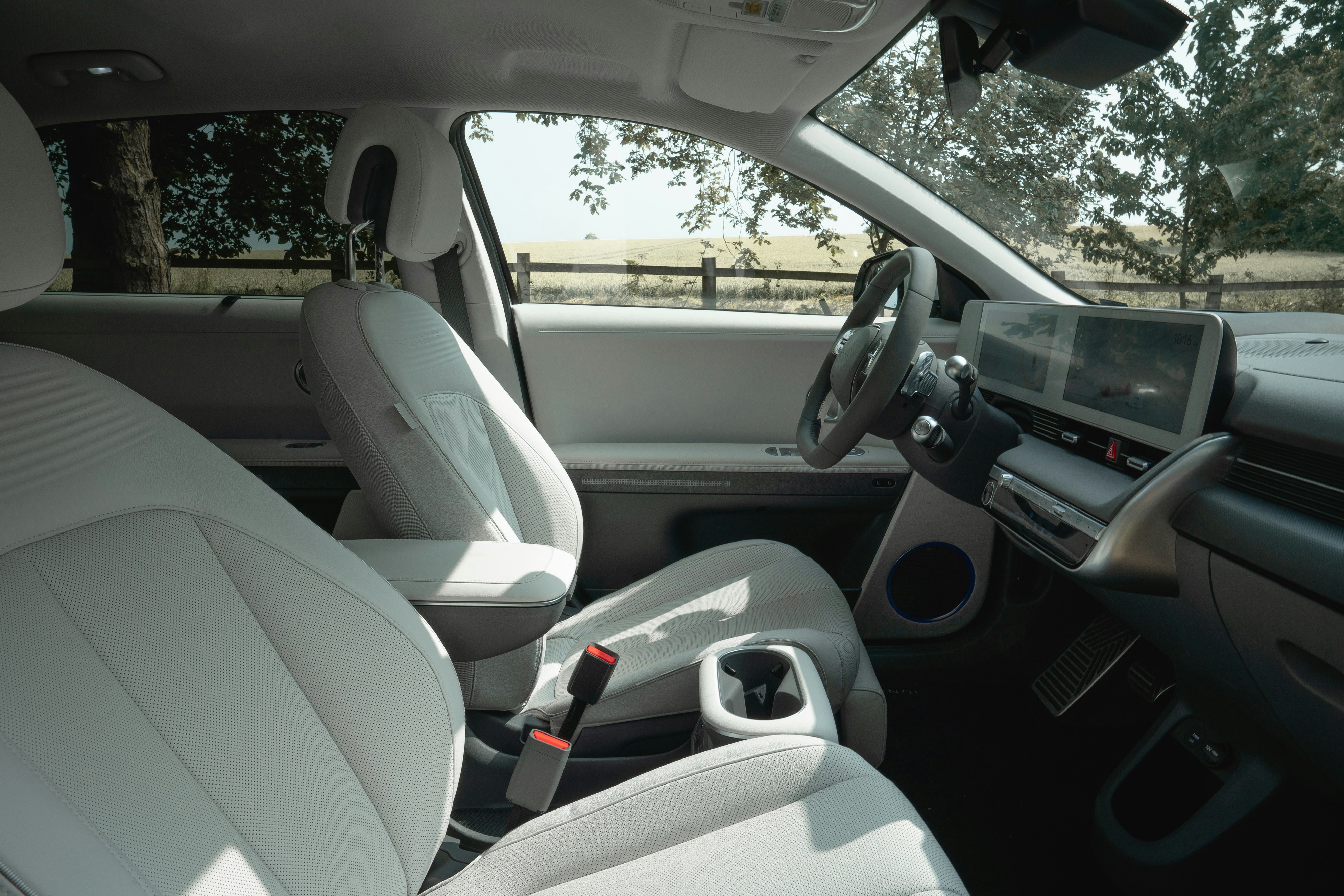
Vehicle connectivity, known as vehicle-to-everything communication or V2X, opens up a new dimension in road traffic. The car communicates with other vehicles, with infrastructure such as traffic lights and tunnels, and even with the smart home, while real-time traffic data dramatically improve route planning and predictive maintenance warns the driver before a breakdown occurs. Infotainment systems in 2026 are at a high level: Apple CarPlay and Android Auto are standard almost everywhere, and manufacturers like Mercedes with MBUX and BMW with iDrive 9 rely on their own operating systems with AI voice assistants that respond to voice commands more and more naturally. App integration enables remote control of the vehicle via smartphone, from heating it up in the morning to monitoring the charge level in the afternoon.
A critical eye should be cast on subscription models for vehicle features. BMW made negative headlines a few years ago with a heated-seats subscription and subsequently withdrew the model, but the practice of charging a monthly fee for hardware already installed remains controversial. Consumers are well advised to read the fine print when purchasing and to ask specifically which features are included for the lifetime of the vehicle.
V2X Communication: What Does It Mean for Everyday Life?
The car receives warnings from traffic lights about red phases, forwards accident reports to following vehicles and could in the future even communicate with multi-storey car parks to reserve a free space. In Switzerland, corresponding pilot projects on the A1 are already under way and providing initial experience for a broader roll-out.
Subscriptions for Car Features – Worthwhile or a Rip-Off?
Hardware that is built into the car should be included in the purchase price. Software features added after purchase can make sense as a subscription, for example extended navigation services or over-the-air gaming. The real grey area covers features like heated seats or lane-keeping assist: these are safety and comfort features that by definition belong permanently to the vehicle and should not be sold as an add-on subscription.
Trend 5: Beyond the Electric Car – Hydrogen, Plug-in Hybrids and Synthetic Fuels
The electric car dominates the headlines, but there are other promising drivetrain types that are interesting for certain driving profiles in Switzerland. The hydrogen fuel cell, represented by the Toyota Mirai and Hyundai NEXO, is particularly relevant for the Swiss Alpine regions, because heavy commercial vehicles and buses benefit from the fast refuelling process and the long range on extended routes. The Swiss start-up network around Hypostations is gradually building out the hydrogen infrastructure, although the offering for private drivers is still limited today.
Plug-in hybrid technology (PHEV) is a sensible bridging technology for drivers with a mixed driving style. Anyone who mainly drives in the city during the day and occasionally takes a longer motorway trip benefits, because you drive emission-free through town in electric mode while the combustion engine takes over on the motorway. The PHEV’s potential only fully unfolds, however, when the vehicle is charged regularly, ideally daily. Read more in our comparison of hybrid versus electric cars.
E-fuels, or synthetic fuels, are a politically hot topic: Porsche is investing heavily in the production of e-fuels in Chile, and for classic-car owners in Switzerland they could be a lifeline, because vintage vehicles could continue to run on climate-neutral fuel without being converted. However, scaling and cost efficiency remain challenges that the e-fuel industry must still solve.
Hydrogen Mobility in Switzerland: Infrastructure and Models
Switzerland has a growing network of hydrogen filling stations, mainly for commercial vehicles through Hypostations Schweiz, while the offering for private drivers remains limited. The Hyundai NEXO and Toyota Mirai are the only mass-market passenger-car models available. Hydrogen costs are still well above electricity, but in the long term the price should fall with higher production volumes.
Plug-in Hybrids 2026: When Is the Switch Worth It?
A PHEV is especially worthwhile if you have your own charging facility at home, regularly make short everyday trips and occasionally cover longer distances. In fleet operations and for company cars, PHEVs are also often more tax-advantageous than fully electric models, making them a popular choice among business users for their company vehicle.
E-Fuels – Saviour of the Combustion Engine or Dead End?
E-fuels are currently expensive and energy-intensive to produce but can play an important niche role, particularly for classic cars, aircraft and shipping, where electrification is difficult or impractical. For the average commuter, the electric car is more efficient and cheaper, but for lovers of classic vehicles e-fuels open up an interesting path to keep their cars on the road in the future.
Trend 6: Owning Is Yesterday – New Mobility Models on the Rise
The shift from owning to using is shaping mobility in 2026 more strongly than ever. The Mobility cooperative is the largest carsharing provider in Europe and is firmly established in Switzerland, with around 3,000 vehicles at over 1,500 locations, making it possible to spontaneously rent a car in practically any Swiss municipality. Share Now is present mainly in major cities such as Zurich and Geneva, and Catch a Car offers round-trip sharing in Basel and Berne.
Subscription models such as those offered by CARIFY are an interesting alternative to classic leasing, because you pay a fixed monthly amount and insurance, servicing and often even tyres are included. The models tend to be slightly more expensive than leasing but offer flexibility without a long-term commitment and without the risk of unplanned repair costs.
The combination of public transport, e-bike and carsharing, known as multimodal mobility, is becoming ever easier to manage via apps such as SBB Mobile or Fairtiq. In urban centres like Zurich, Basel and Geneva, low-car neighbourhoods are growing, and for an increasing number of people the question is justified: do I actually still need my own car, or am I more efficient and cheaper with a combination of options?
Carsharing in Switzerland 2026: Providers and Costs Compared
Mobility offers vehicles from around CHF 3 per hour plus a per-kilometre rate, with various vehicle classes from compact cars to vans. Share Now charges by the hour and is primarily available in Zurich and Geneva, while Catch a Car impresses with per-minute tariffs in Basel and Berne. For occasional drivers covering fewer than 10,000 km per year, carsharing usually pays off compared with owning a car, especially when you honestly calculate the full costs: depreciation, insurance and maintenance are items that car owners often underestimate.
Car Subscription vs. Leasing: What Suits My Lifestyle?
Leasing has clear advantages and disadvantages compared with a car subscription: it pays off for people who drive longer distances, are price-conscious and want to use a specific model for a longer period. Car subscriptions are ideal for anyone who prioritises flexibility, may be working nomadically, or simply does not want a long-term commitment. The price difference is 15 to 30% in favour of leasing depending on the model, but the subscription offers no commitment or repair risk in return.
Trend 7: 
Sustainability means more than just no exhaust pipe. The CO₂ balance over the entire life cycle is what counts, from production through operation to recycling. An electric car has a larger CO₂ backpack in manufacturing than a combustion-engine vehicle, but in the Swiss electricity mix, which is almost 60% renewable, it pays for itself after about 2 to 3 years of operation. Car manufacturers are increasingly relying on sustainable materials: recycled plastics, vegan leather alternatives as seen in the BMW i Vision Circular and Renault Mobilize, and biogenic insulation materials are on the rise. Battery recycling is developing into a growing industry, with companies such as Speira in the aluminium sector and Umicore in battery materials driving the circular economy forward.
Second-life batteries, meaning packs from decommissioned electric cars, are increasingly being installed as stationary energy storage units, storing solar electricity or stabilising the power grid, giving them a second life cycle. Repairability and longevity are gaining weight as purchasing arguments, and surveys in Switzerland show that over 70% of consumers are willing to pay a higher price for more sustainable products, provided the transparency is there.
CO₂ Balance: Electric Car vs. Combustion Engine in Switzerland
The Swiss electricity grid is relatively clean, with almost 60% of electricity production coming from renewable sources, mainly hydropower. As a result, the CO₂ balance of the electric car in operation is significantly better than in countries with a carbon-intensive electricity mix, and anyone who additionally uses solar power from their own roof is driving virtually emission-free. Learn more about the environmental advantages of electric vehicles.
Battery Recycling: Where Are We in 2026?
The EU Battery Regulation of 2023 requires a recycling rate of over 50% for lithium from old batteries from 2031 onward. Swiss companies are well positioned: Umicore and new start-ups such as Librec in Zurich are developing innovative recycling processes, and the industry is growing from year to year as the volume of decommissioned electric batteries is set to increase massively in the coming years.
Car Trends 2026 in Switzerland: What Does This Mean for Purchase Decisions?
The seven trends show that automotive mobility is in upheaval, and Swiss drivers are right in the middle of it. Anyone buying a new car in 2026 should ask themselves: which drivetrain suits my driving profile and budget? Is a software-defined vehicle relevant, and am I prepared to live with OTA dependencies? Do I actually need my own vehicle, or are carsharing or subscription models a smarter option? For everyday commuters in the city, small electric cars or a carsharing membership make sense. For families with a mixed driving style, PHEVs or mid-size electric SUVs on a car subscription are a good fit. Tech enthusiasts benefit from SDV models with regular OTA updates. Technology is developing rapidly, and today’s model is often significantly better than its predecessor, which makes test drives before buying all the more important. A visit to the Geneva Motor Show to experience the latest innovations in person before committing may also be worthwhile.
Anyone currently looking for the right model will find a large selection of vehicles across all categories on CARIFY, from compact cars to electric SUVs, with flexible car subscriptions and no long-term commitment.
Frequently Asked Questions (FAQ)
Which electric car is most worth it in Switzerland in 2026?
For budget-conscious buyers, the Renault 5 E-Tech from around CHF 26,000 and the Citroën ë-C3 are excellent entry-level models. In the mid-range segment, the Volkswagen ID.4 impresses with long range and practical cabin space, and the Tesla Model 3 remains a popular choice for tech enthusiasts. Those seeking maximum range and quality are well served by the BMW iX or Mercedes EQS. For further details and frequently asked questions about car subscriptions, visit the CARIFY FAQ page.
When will fully autonomous driving arrive on Swiss roads?
Level 4 autonomy in normal road traffic is possible at the earliest by 2030, probably later, because infrastructure, regulation and societal acceptance must be developed in parallel. Level 3, as in the Mercedes Drive Pilot on motorways in congestion, is already available for purchase today. Robotaxis in Zurich or Geneva are a possible scenario by 2030 but are not yet certain.
Is a plug-in hybrid still a sensible choice in 2026?
Yes, but only if you truly exploit its potential: regular charging, ideally daily, a mixed driving style combining city and motorway, and a driving profile that consists mainly of short trips. Anyone who only drives on motorways and never charges pays for extra weight and extra cost without meaningful benefits.
What is a software-defined vehicle and why does it matter?
An SDV is a vehicle whose key functions are defined by software and can be updated via internet updates, much like a smartphone. This matters because the car can be improved after purchase, bugs can be fixed and new features can be added without necessarily having to buy a new vehicle.
Is carsharing worth it in Switzerland compared with owning a car?
For people who drive fewer than 10,000 km per year and live in a city, carsharing usually pays off, because the full costs of owning a car, including depreciation, insurance, servicing and parking, are typically higher than assumed. For families or commuters with regular long distances, owning a vehicle makes more sense, especially if you value availability and flexibility. A car subscription can offer a middle ground between the two.