Used Car vs. Nearly New Car: What Will Really Make a Financial Difference for Swiss Buyers in 2026
Used Car vs. Nearly New Car: What Will Really Make a Financial Difference for Swiss Buyers in 2026
 Kamilya
Buying a car in Switzerland has become noticeably more complex in recent years. Rising new car prices, stricter emissions regulations, and a tight supply situation have permanently changed the used car market. In 2026, many buyers are faced with a fundamental question: should you choose a classic used car, or is a nearly new car the smarter financial decision?
This article shows you how used cars and nearly new cars truly differ in Switzerland in 2026. You’ll learn where real savings are possible, which option offers better long-term value, and which vehicle type best suits your personal situation.
What You’ll Learn in This Article
You’ll gain a clear understanding of what defines a nearly new car and how it differs from a traditional used car. We’ll look at realistic price differences in 2026, examine resale value, assess technical condition and safety, and explain warranty, maintenance, and financing considerations in Switzerland.
What Is a Nearly New Car and What Is Considered a Used Car?
In Switzerland, a nearly new car is typically a vehicle that is no more than twelve months old and has usually driven less than 10,000 to 15,000 kilometers. These vehicles are often first registered by dealers, manufacturers, or leasing companies and are sold shortly afterward at a reduced price. For more detailed information and typical pitfalls when buying a used car, see our article [Buying a used car in Switzerland: How to find your perfect vehicle]
A used car, by contrast, has usually had at least one private owner, higher mileage, and is older than one year. The condition, service history, and remaining warranty can vary significantly depending on how the car was driven and maintained.
Price Differences in 2026 – How Much Can Buyers Realistically Save?
The biggest motivation for choosing a used car is still price. In 2026, Swiss buyers can typically save between 20 and 35 percent compared to the list price of a new vehicle, depending on age, mileage, and model popularity.
Nearly new cars usually offer a smaller discount, often between 10 and 20 percent off the original new price. However, this price gap has narrowed in recent years due to high demand and limited availability of affordable new cars.
For many buyers, the key question is not the purchase price alone, but the total cost over several years of ownership.
Value Retention and Resale Opportunities
Depreciation plays a major role in overall cost. New cars lose the most value in their first year, which is why nearly new cars are often seen as financially attractive. The steepest depreciation has already occurred, but the vehicle still feels almost new.
Used cars that are already three to five years old tend to depreciate more slowly. If you plan to resell after a short ownership period, a well-maintained used car can sometimes be the more stable investment.
In Switzerland, resale value is strongly influenced by brand reputation, service documentation, and whether the car was regularly maintained by an authorized dealer.
Condition and Technical Safety – What Buyers Can Expect
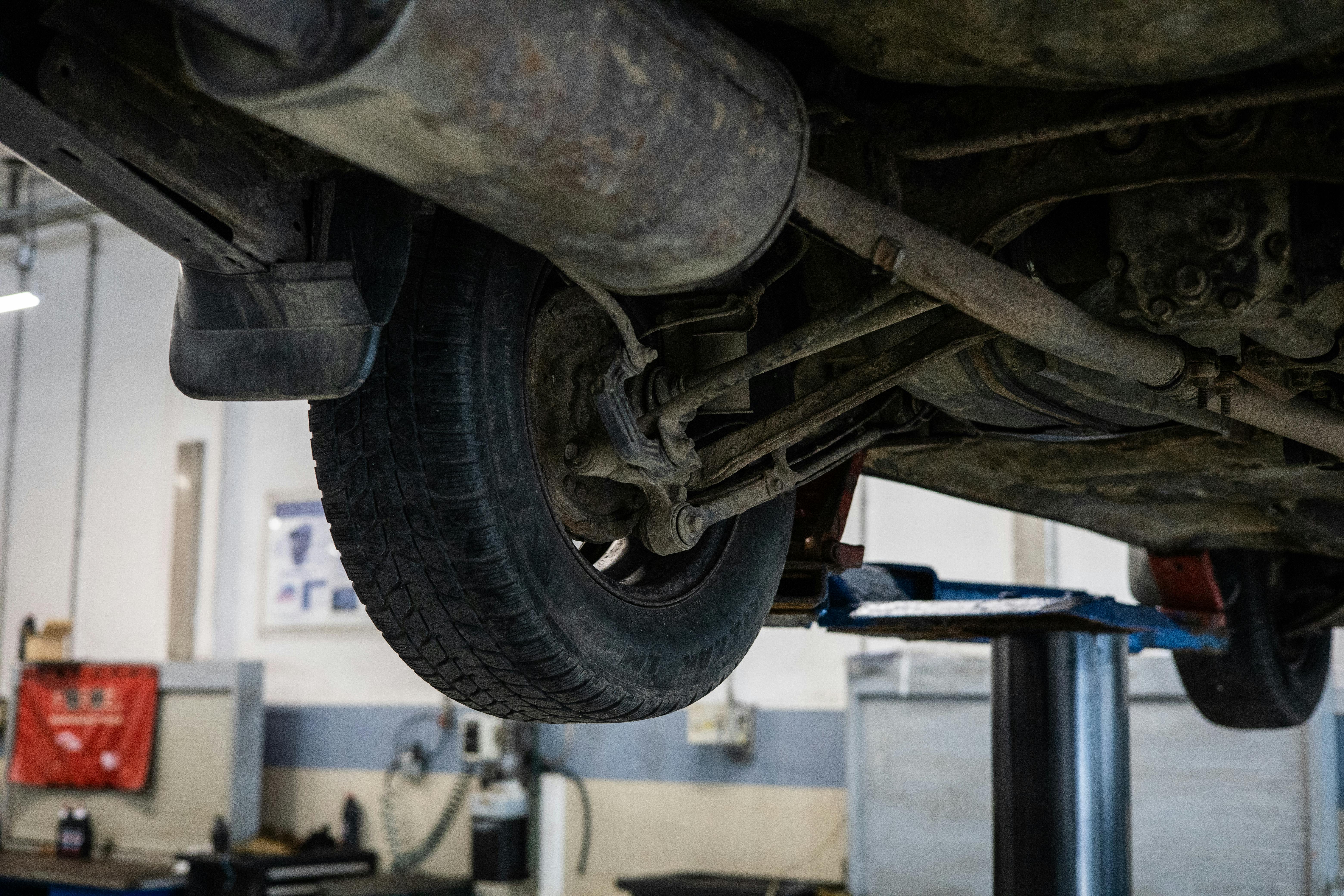
Nearly new cars usually come in excellent technical condition. Wear parts such as brakes, tires, and suspension components are typically close to new, and modern safety and assistance systems are still up to date.
With used cars, condition varies much more. A carefully maintained vehicle with a complete service history can be just as reliable, but buyers should expect more wear and higher inspection effort. A professional vehicle check is strongly recommended, especially for older models.
Warranty, Service History, and Dealer Trust
One major advantage of nearly new cars in Switzerland is the remaining manufacturer warranty. In many cases, buyers still benefit from one to three years of factory coverage, providing peace of mind and predictable costs.
Used cars may come with a dealer warranty, but coverage is often limited in duration and scope. A transparent service history becomes particularly important here, as it strongly influences both reliability and resale value.
Buying from a reputable Swiss dealer with documented maintenance records significantly reduces risk, regardless of vehicle type.
Maintenance and Running Costs in 2026 – Where Real Differences Arise
Maintenance costs are generally lower for nearly new cars during the first years of ownership. Major repairs are rare, and warranty coverage often absorbs unexpected issues.
Used cars typically incur higher maintenance expenses over time. Wear-related repairs become more likely, especially after 80,000 to 100,000 kilometers. However, insurance premiums may be lower for used cars, partially offsetting these costs.
Fuel consumption and taxes depend more on engine type and emissions class than on whether the car is used or nearly new.
Financing Nearly New Cars and Used Cars in Switzerland
Financing options for nearly new cars are often more attractive. Swiss banks and leasing companies frequently offer better interest rates for newer vehicles, and leasing is usually easier to arrange.
Used cars can still be financed, but interest rates may be slightly higher, and loan terms shorter. For buyers planning to pay cash, used cars often provide the lowest overall financial commitment.
If leasing is an option for you, a leased vehicle can also be interesting – especially for nearly new cars. For more information, take a look at our article [How does leasing work in Switzerland?].
Used Car vs. Nearly New Car – Which Option Fits Which Buyer Profile in 2026?
Nearly new cars are ideal for buyers who value modern technology, low risk, and predictable costs. They are especially attractive for commuters, families, and anyone planning to keep the car for several years.
Used cars are well suited for budget-conscious buyers who prioritize purchase price over warranty coverage. They also make sense for drivers with lower annual mileage or those who plan to resell within a short timeframe.
Key Takeaways
In 2026, the financial difference between used cars and nearly new cars in Switzerland is smaller than it once was. Nearly new cars offer security and comfort, while used cars can still deliver excellent value when chosen carefully.
The right decision depends less on age alone and more on total cost of ownership, expected usage, and personal risk tolerance.
Conclusion – How Swiss Buyers Can Decide Wisely in 2026
There is no universally better choice between a used car and a nearly new car. Buyers who prioritize reliability and minimal hassle often benefit from nearly new vehicles, while experienced buyers willing to inspect carefully can save money with a used car.
By comparing price, warranty, maintenance costs, and financing options, Swiss buyers can make a decision that fits both their budget and lifestyle.
FAQ
Are Nearly New Cars in Switzerland Really More Reliable Than Used Cars?
Generally yes, due to lower mileage, newer components, and remaining manufacturer warranty. However, a well-maintained used car can also be highly reliable.
How Much Do Maintenance Costs Differ Between Used Cars and Nearly New Cars?
Nearly new cars typically have lower maintenance costs in the first years, while used cars may require more frequent repairs as mileage increases.
When Is the Higher Price of a Nearly New Car Worth It?
A nearly new car is worth the higher price if you value warranty protection, modern features, and predictable ownership costs over the long term.