 Kamilya

Used-car test drive: What you should pay attention to
A car can look perfect when it’s standing still, but only when driving does it become clear whether everything is truly in order.
That’s why attractive photos and friendly wording in the ad don’t say much. Only on the road can you see whether the engine, gearbox, steering, and brakes work reliably or simply create a good first impression.
A properly executed test drive protects buyers from expensive surprises later. It is the most important tool for finding out whether a car really suits you or whether it’s better to keep looking. The key is to proceed in a structured way and not leave anything to chance.
What You Will Learn in This Article
How to check a used car before the test drive
What warning signs to look for while driving
How engine, gearbox, steering, and brakes should feel
Which noises and behaviours signal expensive problems
What to inspect after the test drive before deciding
Why Is the Test Drive So Important When Buying a Used Car?
Imagine buying a car just because it looks good, without ever driving it. Many issues remain unnoticed as long as the car is standing still. Only when driving do unusual engine noises, jerky gear changes or vague steering become apparent. Some defects only show up under load.
For example: a car may idle smoothly but start jerking or knocking as soon as you accelerate, because the injection or ignition system has problems. Or the clutch engages too late - a sign that replacement may soon be necessary. Repair costs? Often almost as expensive as the car itself.
A well-planned test drive shows clearly what the situation really is. It reveals whether the car feels comfortable to sit in, responds reliably, and fits everyday needs. Often, small clues point to bigger problems - but only if you look for them.
How to Prepare Properly for the Test Drive
Documents and Formalities
Don’t forget your driving licence - it sounds trivial, but it happens often. Clarify insurance coverage beforehand. Most reputable sellers have a written form ready; if not, be cautious. When in doubt, call your insurance provider - an accident during the test drive can become very expensive.
Check Vehicle Condition Before Starting the Engine
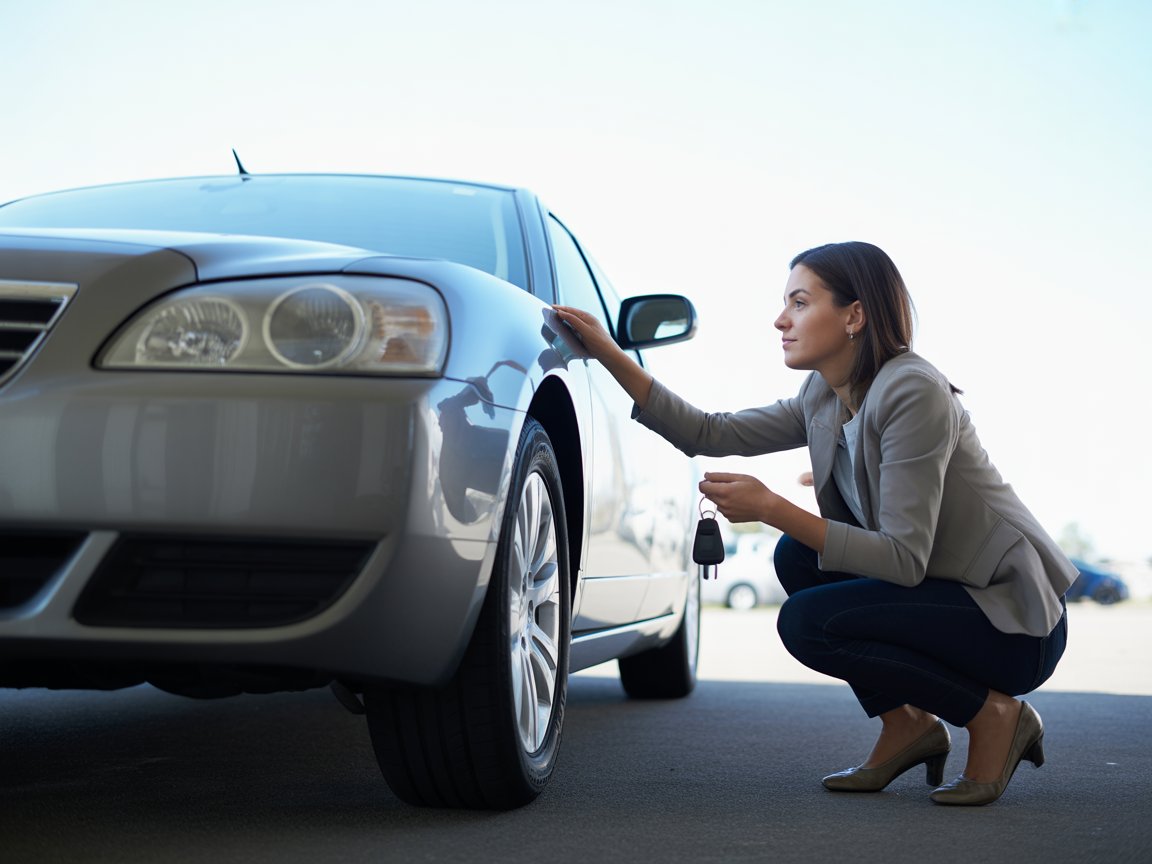
Before the engine runs, walk once around the car. Check the tyres - is the wear even? Strange patterns indicate suspension issues. Test all lights and look under the car. Any stains on the ground are never a good sign.
Checking the oil level takes two minutes but says a lot about maintenance. A completely filthy engine bay? A very bad sign.
Plan the Route and Driving Conditions
Use a varied route: city, rural roads, motorway. Only then do you get a complete picture. Some problems appear only at higher speeds, others only in city traffic. Include parking manoeuvres, inclines and tight corners.
What to Pay Attention to During the Test Drive
Engine and Noises
Cold starts reveal a lot. A healthy engine starts promptly and runs smoothly. If it stutters or vibrates strongly, that’s bad. During driving, listen for metallic knocking - often a sign of expensive engine damage.
(Anecdotal reference removed because you requested no first-person.)
Gearbox and Clutch
Test every gear, including reverse. They should engage smoothly, without scratching or jerking. In manual cars, the clutch must not engage too early or too late.
Automatics can be tricky - they sometimes shift softly even when nearly defective. Pay attention to delays between shifts or jerky movement.
Steering and Brakes
Good steering tracks straight without needing constant correction. If the steering wheel vibrates or feels loose, repairs may be expensive. Test the brakes carefully - they should apply evenly without pulling to the side.
Comfort and Everyday Practicality
This part is personal: Does the seat fit? Is visibility good? Too loud or too quiet? (Yes, too quiet can indicate insulation problems.) Test all buttons and controls. Small issues become very annoying in daily use.
After the Test Drive - How to Properly Evaluate the Vehicle
Document Impressions
Write down everything that stood out immediately after the drive. After looking at several cars, impressions start to blur.
Technical Inspection
For cars over CHF 10,000, a professional inspection is recommended. It may cost a couple of hundred francs but can save thousands in repairs, such as engine control unit failures.
Making a Decision
“The car will be gone tomorrow” - the oldest pressure tactic in the book. Don’t let yourself be rushed. If uncertain, arrange a second test drive. Better to inspect one time too many than regret it later.
Check a Used Car Like a Professional
Visual Check & Interior
Steering wheel, pedals, seats - all reveal the true mileage. A heavily worn steering wheel on a supposed 50,000 km vehicle is suspicious. Normal wear is fine, but it must match the mileage.
Engine Bay & Underside
Clean, dry engines usually indicate good care. Oil puddles, rust or cracked hoses are warning signs. Looking underneath often reveals more than a shiny engine bay from above.
Electronics & Equipment
Test every indicator light, switch and function. Modern cars are rolling computers - and computers become temperamental with age. A defective air-conditioning system can cost more than the entire car.
Digital Tools & Checklists
Apps like “Gebrauchtwagen Check” help ensure nothing is overlooked. They also make you appear more professional during negotiations.
4 Common Mistakes During a Test Drive (And How to Avoid Them)
1. Too Short a Test Drive
A quick loop around the block is not enough. At least 30 minutes, preferably longer. Some issues appear only when the engine warms up or under load.
2. No Cold Start
Do not accept excuses like “the car needed to warm up first.” A cold start is essential - many problems hide behind a warm engine.
3. Too Much Trust in the Seller
Even the nicest seller wants to get rid of the car. Trust your senses, even if problems are played down. Reputable sellers have no issue with thorough testing.
4. Lack of Documentation
Without notes, half the details are forgotten. Take photos of any issues and record everything. This helps with decisions and price negotiation later.
Remember:
Time is your best asset during a test drive. Don’t let anyone rush you, even if the seller seems impatient. Mechanical issues (engine, gearbox, brakes) are the most expensive - inspect them thoroughly.
A neutral expert opinion is worthwhile for higher-value vehicles. If you are still unsure which type of car suits you, consider trying a car subscription. It lets you test multiple models without commitment.
Key Takeaways
A test drive is essential to uncover hidden problems in a used car.
Check how engine, gearbox, steering, and brakes behave under normal driving.
Treat unusual noises, vibrations, or pulling to one side as warning signs.
Look for uneven tyre wear and rough gear changes as signs of costly repairs.
After the drive, inspect for fluid leaks and test the electronics before deciding.
Conclusion - How to Make a Safe Decision
A thorough test drive is like good insurance - it takes time but saves a great deal of trouble and money later. Preparation, systematic testing and an honest assessment are the keys to success.
If you want to test different models over a longer period before deciding, a car subscription is ideal. You gain real experience without purchase pressure and later know exactly what suits you.
CARIFY makes this possible: try out various vehicles risk-free and find out what truly matches your needs. If you decide to buy later, you’ll be well informed.
Explore the available car subscriptions at CARIFY and benefit from the flexibility of testing different models without stress:
FAQ
How long should a test drive with a used car last?
At least half an hour - including everything: city, rural roads, motorway, parking. You need time to understand the behaviour of the engine, gearbox and suspension.
When is a second test drive useful?
Any time you feel unsure. Better to inspect twice than regret it later. For larger purchases or when comparing several cars, a second test drive is extremely valuable.
Should a professional accompany the test drive?
For more expensive cars or if confidence is low, absolutely. An experienced mechanic notices things that most buyers miss. The modest cost is a worthwhile investment.