Tips & tricks for safe driving at night.
 Biby Hasler
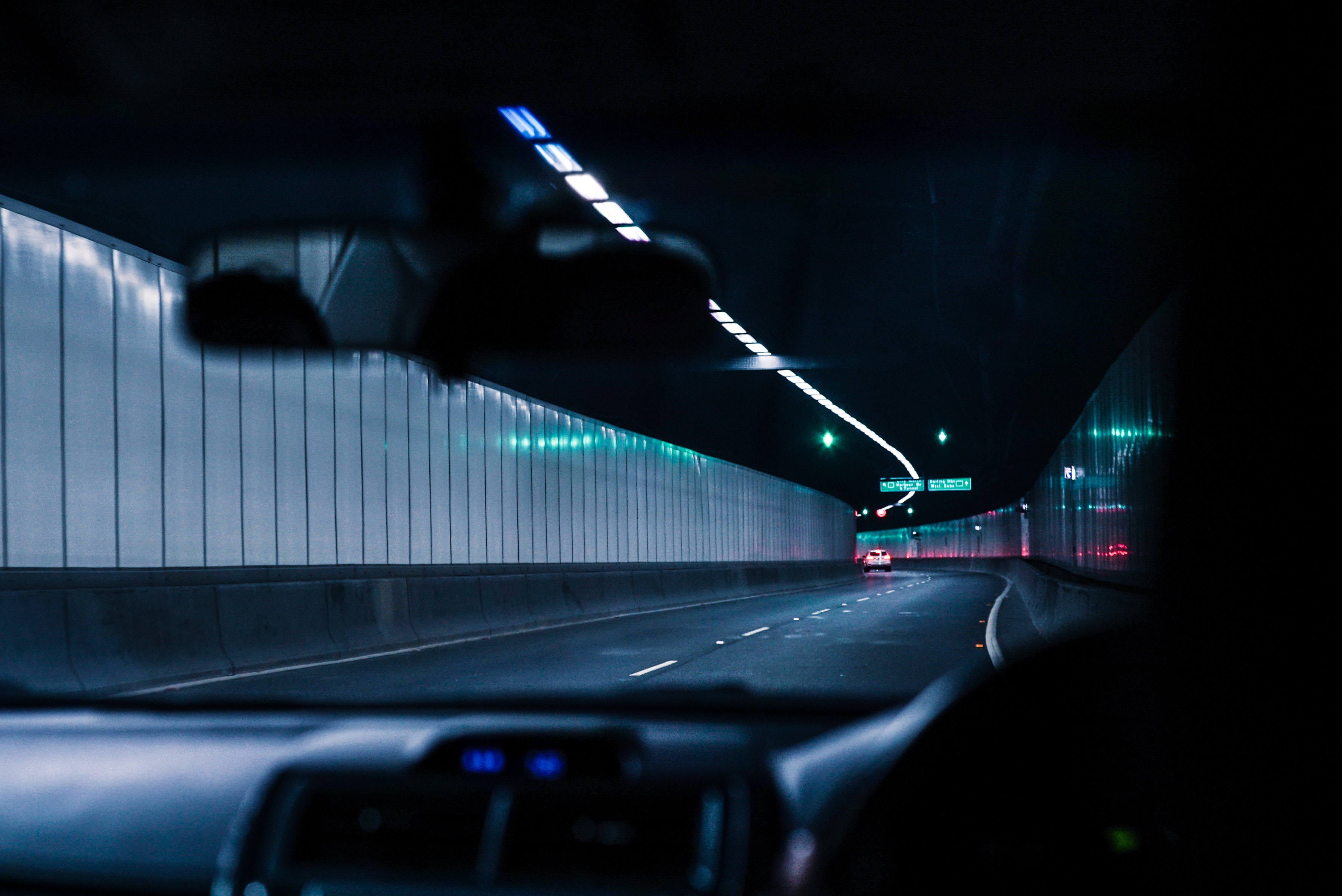
Driving at night - why you should be prepared
Wonderfully empty roads get you to your destination quickly at night. There are hardly any traffic jams, and the kids sleep through long stretches instead of getting bored and whining. These are good reasons to tackle long drives at night. Unfortunately, you're far less able to spot hazards like deer or other road users in the dark, and oncoming traffic headlights blind you. But it's not just poor visibility that makes driving in the dark dangerous. If you are tired yourself, you drive less attentively. There is even a risk of dangerous microsleep. Find out here how you can best prepare for your next night drive so that you reach your destination safely.
Car precautions for safe driving at night
Before a long drive, of course, you check things on the car like the tire pressure or the oil level. Your car is also otherwise in perfect technical condition. But for night driving or when visibility is poor, you should do much more than that. We have compiled a checklist to make your car safe during the day and at night.
Check vehicle lighting and set it correctly: If your vehicle dazzles oncoming road users, this also increases the risk of accidents for yourself.
Clean windows, mirrors and headlights: for optimum visibility in the dark, but also for being seen.
Fill up with windshield cleaner: If darkness is compounded by poor visibility due to drizzle or flung-on mud, you'll be nearly blind without clean windows.
If necessary, adjust the driver's seat a little higher. This reduces the glare.
The precautions you should take as a driver
Before setting off, test rarely used lights on the car, such as the high beam, hazard warning lights and rear fog light, so that you can find them easily in the dark.
It's best to turn on your low beams at dusk.
If you have one or more visual defects, be aware that they are often more severe in the dark. Therefore, never drive at night without suitable visual aids. Some eye defects lead to increased sensitivity to light. If you notice something like this, you should have your eyes checked by a specialist.
Be aware that it is more difficult to judge distances at night. Therefore, avoid risky lane changes and drive with more distance.
If you are blinded by an oncoming vehicle, reduce your speed until your eyes have adjusted to the darkness.
Adjust your rearview mirror so that you are not blinded by cars behind you.
Adjust your speed: Even if the roads are empty, it's better to drive slower than during the day. Since you will see obstacles later in the dark, you will not be able to react in time if your speed is too high.
If you are blinded by an oncoming vehicle, reduce your speed until your eyes have adjusted to the darkness.
Only use your high beams when no one is approaching.
Sleep in advance so that you are well-rested at the wheel. Make sure you take regular breaks. On long night drives, it's a good idea to have a second driver with whom you can take turns. Listening to the radio or talking to fellow drivers will keep you awake.
Instead of caffeinated wake-up drinks, drink water or tea. The caffeine kick is usually followed by a sharp drop in performance. Lavish meals also make you tired.
Heat has a soporific effect. Instead, open the window to revive yourself.
You must expect this at night
Not only are all cats gray at night. Our eyes perceive fewer colors in the dark, making it much harder to distinguish details. In addition, it takes a while for our eyes to adapt to the darkness. The pupils dilate so that we can still see something in low light. However, this makes us sensitive to glare if we are suddenly hit by bright light. You should also pay attention to these nighttime peculiarities:
Outside built-up areas, you have to expect deer crossing - often more than just one animal. Headlights blind animals, so they often stop in their tracks. If you drive at an appropriate speed, you have enough time to slow down, honk and dim your lights. Evasive maneuvers, on the other hand, often lead to serious accidents. If a collision cannot be avoided, brake but stay in your lane.
Expect risky driving behavior from other road users and drive defensively: At night, there are more overtired or drunk drivers on the road.
Unlit objects or pedestrians are difficult to spot.
Due to the coolness of the night, ground fog is more common, further limiting visibility. Drive especially slowly and carefully then. If visibility is less than 50 meters (even in precipitation), you can and should switch on fog lights and rear fog lights. Tip: The black and white posts at the edge of the road are located every 50 meters. If you can no longer see the next one from one of them, visibility is below 50 meters - high time for fog lights.
Safely through the night with a CARIFY car subscription
Thanks to the latest technical equipment in our cars, you can drive safer at night with the CARIFY car subscription. Our modern vehicles have safety assistants that recognize when you are getting tired. They warn you of dangers and alert you when you should take a break. Stability controls and brake assist systems make braking maneuvers safer. Discover the advantages of popular models:
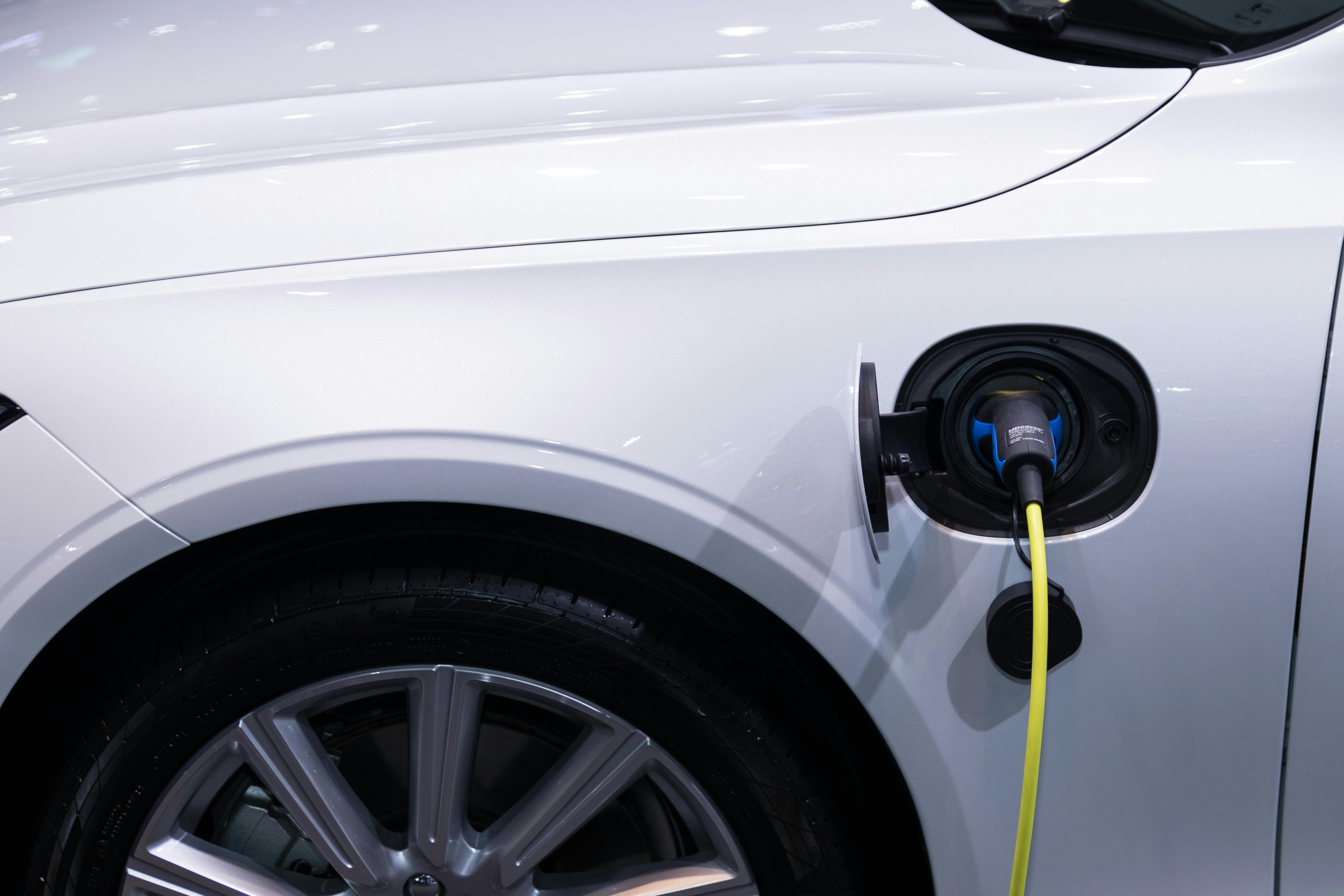
In the VW ID.4 Pro Performance 77 kWh Life Plus electric SUV, the lane departure warning system alerts you if you are in danger of running into oncoming traffic due to fatigue. The cruise control adjusts your speed, and the distance control automatically maintains the correct safety distance from the vehicle in front.
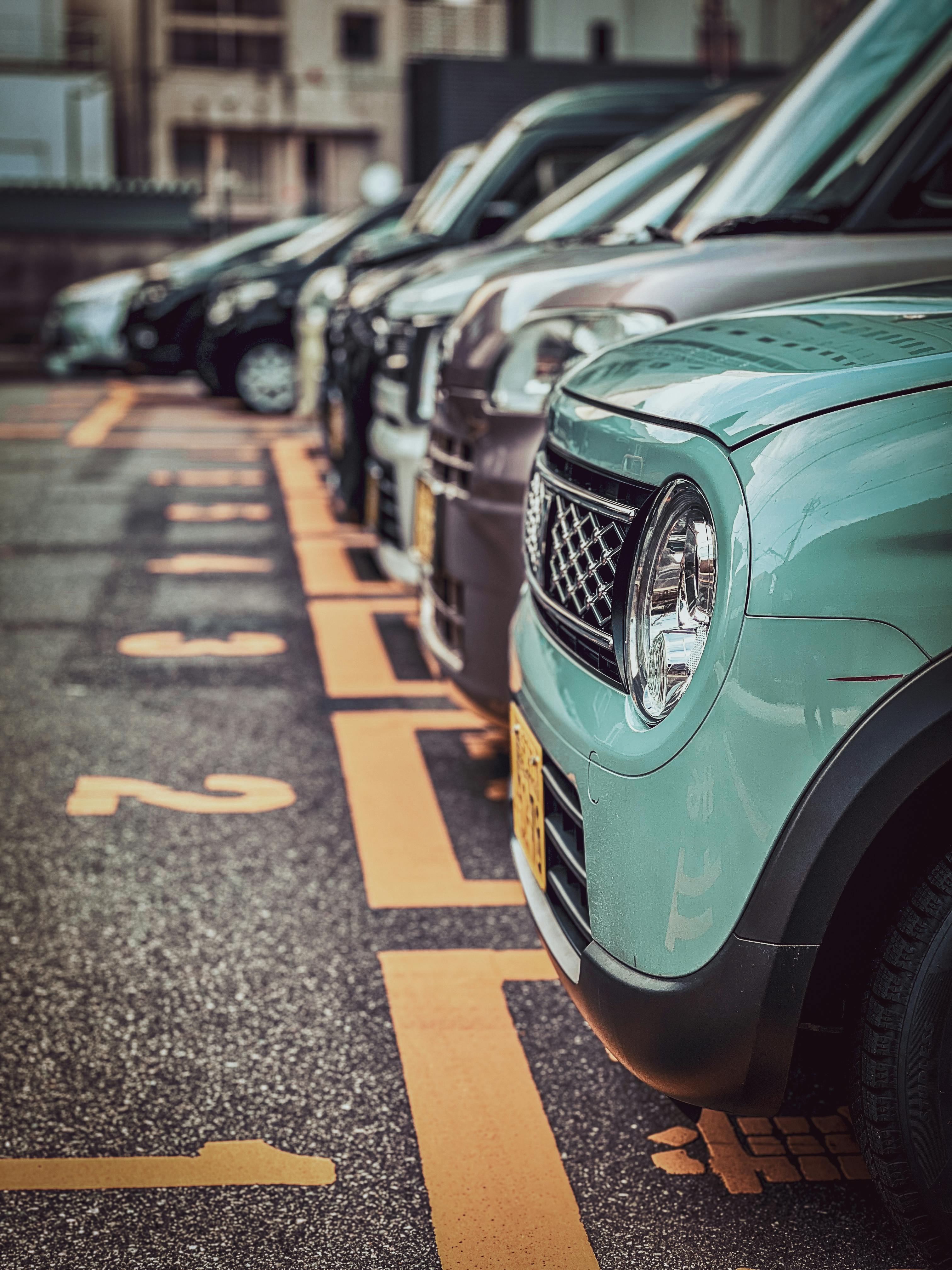
In the compact class, the Citroen C3 1.2i PureTech Swiss Edition also impresses with cruise control and lane departure warning system. The gasoline engine ensures optimum visibility with modern LED headlights.
One of our most popular sedans is the Audi A8 3.0 TDI quattro tiptronic. In addition to cruise control, distance control and LED headlights, the sleek diesel vehicle has cornering lights that dynamically adapt to your direction of travel. The improved illumination of the road provides more safety.
Conclusion
Relaxed driving, safe arrival - first and foremost, you take care of that yourself. If you take all our tips to heart and are aware of the dangers of driving at night, you can avoid accidents in the dark as best as possible. Of course, this requires a technically flawless and well-prepared vehicle. Many of the cars from CARIFY also have modern assistance systems. They step in where human self-control fails - all for your safety.


'%20fill='%23000000'%3e%3cg%20id='icons'%20transform='translate(56.000000,%20160.000000)'%3e%3cpath%20d='M259.821,7453.12124%20C259.58,7453.80344%20258.622,7454.36761%20257.858,7454.53266%20C257.335,7454.64369%20256.653,7454.73172%20254.355,7453.77943%20C251.774,7452.71011%20248.19,7448.90097%20248.19,7446.36621%20C248.19,7445.07582%20248.934,7443.57337%20250.235,7443.57337%20C250.861,7443.57337%20250.999,7443.58538%20251.205,7444.07952%20C251.446,7444.6617%20252.034,7446.09613%20252.104,7446.24317%20C252.393,7446.84635%20251.81,7447.19946%20251.387,7447.72462%20C251.252,7447.88266%20251.099,7448.05372%20251.27,7448.3478%20C251.44,7448.63589%20252.028,7449.59418%20252.892,7450.36341%20C254.008,7451.35771%20254.913,7451.6748%20255.237,7451.80984%20C255.478,7451.90987%20255.766,7451.88687%20255.942,7451.69881%20C256.165,7451.45774%20256.442,7451.05762%20256.724,7450.6635%20C256.923,7450.38141%20257.176,7450.3464%20257.441,7450.44643%20C257.62,7450.50845%20259.895,7451.56477%20259.991,7451.73382%20C260.062,7451.85686%20260.062,7452.43903%20259.821,7453.12124%20M254.002,7439%20L253.997,7439%20L253.997,7439%20C248.484,7439%20244,7443.48535%20244,7449%20C244,7451.18666%20244.705,7453.21526%20245.904,7454.86076%20L244.658,7458.57687%20L248.501,7457.3485%20C250.082,7458.39482%20251.969,7459%20254.002,7459%20C259.515,7459%20264,7454.51465%20264,7449%20C264,7443.48535%20259.515,7439%20254.002,7439'%20id='whatsapp-[%23128]'%3e%3c/path%3e%3c/g%3e%3c/g%3e%3c/g%3e%3c/svg%3e)