Spring Cleaning for Your Car
 Kamilya

When the sun shines down from the bright blue spring sky, you can clearly see the debris from last winter. It's high time for a spring clean, and not just in your home. Your car is particularly in need of cleaning and care. We at CARIFY give you practical tips on what you should not forget to do when spring-cleaning your car.
That's why spring-cleaning your car is so important:
When it's snowy and cold, you really appreciate your vehicle. In a heated car, you are protected from the weather. Slush, road salt, and grit can't harm you, but they can damage the car. If you don't remove the crust, the residue will promote rust and corrosion on all vehicle parts and materials with which they come into contact:
Underbody
Wheel suspensions
Brakes
Bumpers
Paint
As a result, the rubber becomes porous, plastic brittle, metal rusty, and paintwork dull. With good vehicle care after the winter, you ensure that important vehicle parts last longer and you have to spend less money on repairs.
If you think a car wash is enough, you're wrong. The interior should also be thoroughly cleaned at the end of winter. Last but not least, now is also the time to check the vehicle fluids and more. With the tips from CARIFY, your car will soon be shining like the sun.
Cleaning the interior and exterior

Many of the things that made your life as a driver easier in winter are not needed in summer. You can safely take this superfluous ballast out of the car and store it for the next winter:
Ice scraper
Snow chains
Warm blankets
You can also take the opportunity to replace an expired first aid kit and check whether you have the mandatory warning triangle on board.
Then it's time to clean the floor mats. First, shake and knock out the coarse dirt outside the car. Then vacuum them thoroughly. You should also check whether it is damp under the mats. If so, they should be dried before you put them back in the car. And you should also allow damp areas in the car itself to dry, preferably in the sun with the car windows ajar.
Vacuuming and cleaning the seats
In fall and winter, you bring dirt into the car with your shoes. As a result, fallen leaves, grit, and dry mud collect in the footwell of the car. Even if a lot of it gets caught in the mats, you should vacuum the carpet underneath and around it thoroughly. This also applies to the trunk, where snow chains, sleds, etc. have left their mark. You can also use the vacuum cleaner to remove crumbs from the upholstery. If you discover stains on the seats, you can treat them with a damp sponge or cloth and a mild cleaning agent or stain remover. Leather seats remain beautiful and supple for longer with leather care, while care products for textile seats protect the plastics from UV rays.
Windshield and cockpit care
Clean all windows from the inside and the interior mirror. Then you should clean the rubber seals on the windows and doors and check for porous areas. Maintain the elasticity of the material with rubber care. Use a slightly damp cloth to remove winter dust from the cockpit. A plastic care product protects the surfaces and ensures that they do not become dusty again so quickly.
Car wash and paint care
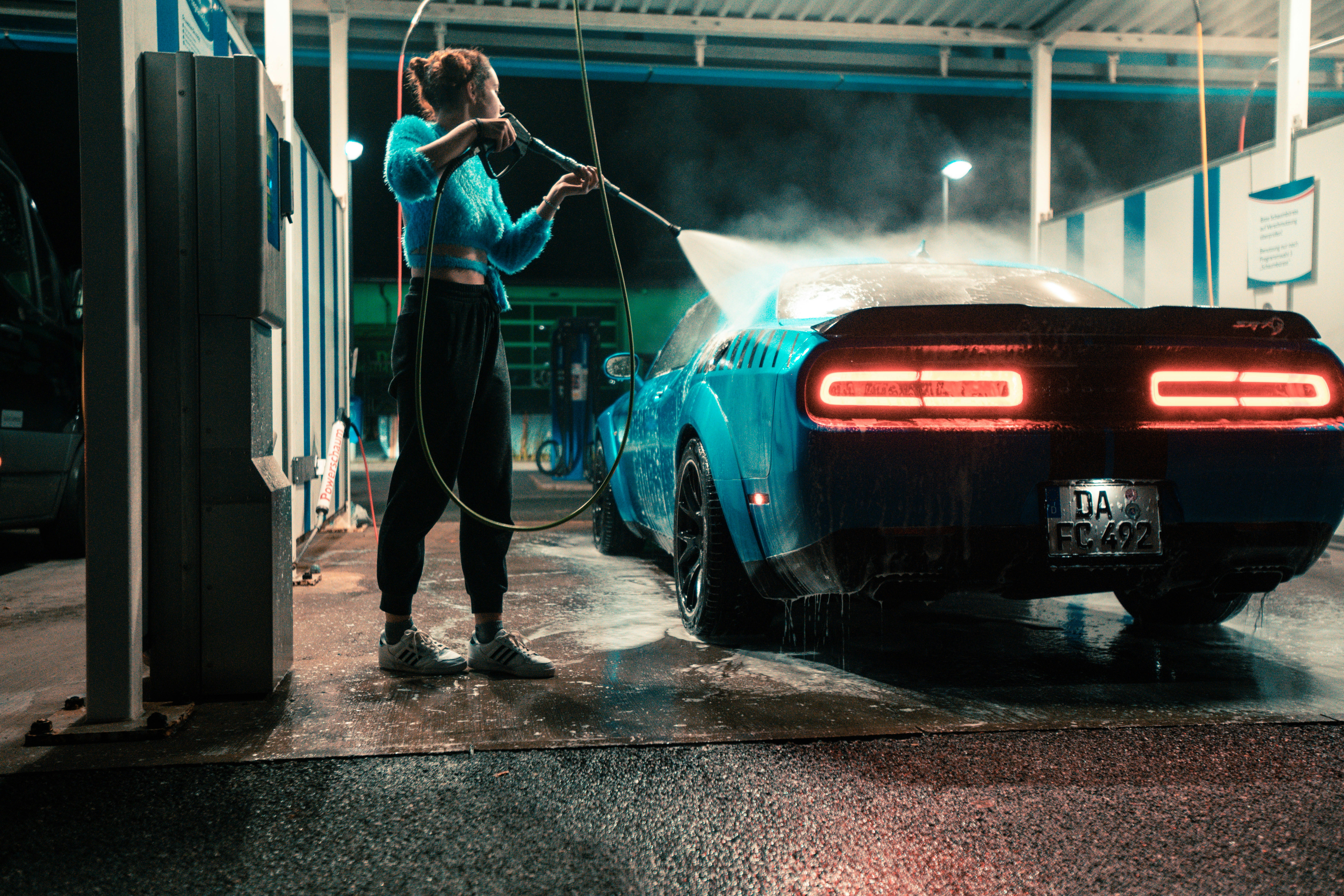
Now it's time to tackle the dirt on the outside of the vehicle. Remove coarse dirt by hand. To loosen the crusts on the wheel arches, a used washing-up brush is sufficient. Pay particular attention to the water tank between the windshield and hood, which can become clogged with leaves and dirt.
Use a high-pressure cleaner to remove dirt from narrow cracks and hard-to-reach areas. Be careful not to get too close to the paintwork with the water jet. A distance of around 30 cm is sufficient. Now the car is ready for the car wash. Don't be stingy here and always add an underbody wash to the multi-course foam wash. Alternatively, you can also clean the vehicle yourself in the wash box if it has an underbody wash function. Don't forget the wheel arches and rims!
The damage that winter has left on the vehicle is often only now becoming visible. High time for good paint care! You can repair small scratches yourself, either with a touch-up pen in the same color as your car or with polish. This is not only cosmetic but also protects the metal underneath. For larger scratches, it is better to call in a garage before the metal starts to rust. Tiny scratches in the paintwork will cause the color to fade over time. You can freshen it up with a cleaning polish that polishes away small scratches. A sealant with hard wax then protects the paintwork.
Check-up and maintenance
Dirt thrown up can damage the windshield and headlight glass. Important: Cracks and holes in the windshield pose a safety risk. The windshield does not always have to be completely replaced. Specialist companies can repair minor damage. After winter is also a good time to replace the windshield wiper blades.
Scratched vehicle lights no longer scatter the light optimally and can dazzle other road users. Scratches can be polished away with headlight polish in different grit sizes (coarse and fine). Last but not least, make sure that all vehicle lights are in good working order. Defective bulbs must be replaced immediately.
What else you should not forget:
Grease hinges
Treat latches and locks with penetrating oil
Checking fluids and changing oil
The engine oil for winter has optimum viscosity at low temperatures. When the temperatures rise, you should replace it with a summer oil or one that lubricates your engine equally well in both seasons. Check the level of vehicle fluids such as coolant, brake fluid and windshield washer fluid. The latter is available with antifreeze for the winter and with a special insect cleaner for the summer. It is advisable to change the washer fluid completely, as the mixture leaves greasy residues on the windshield.
Checking tires and brakes
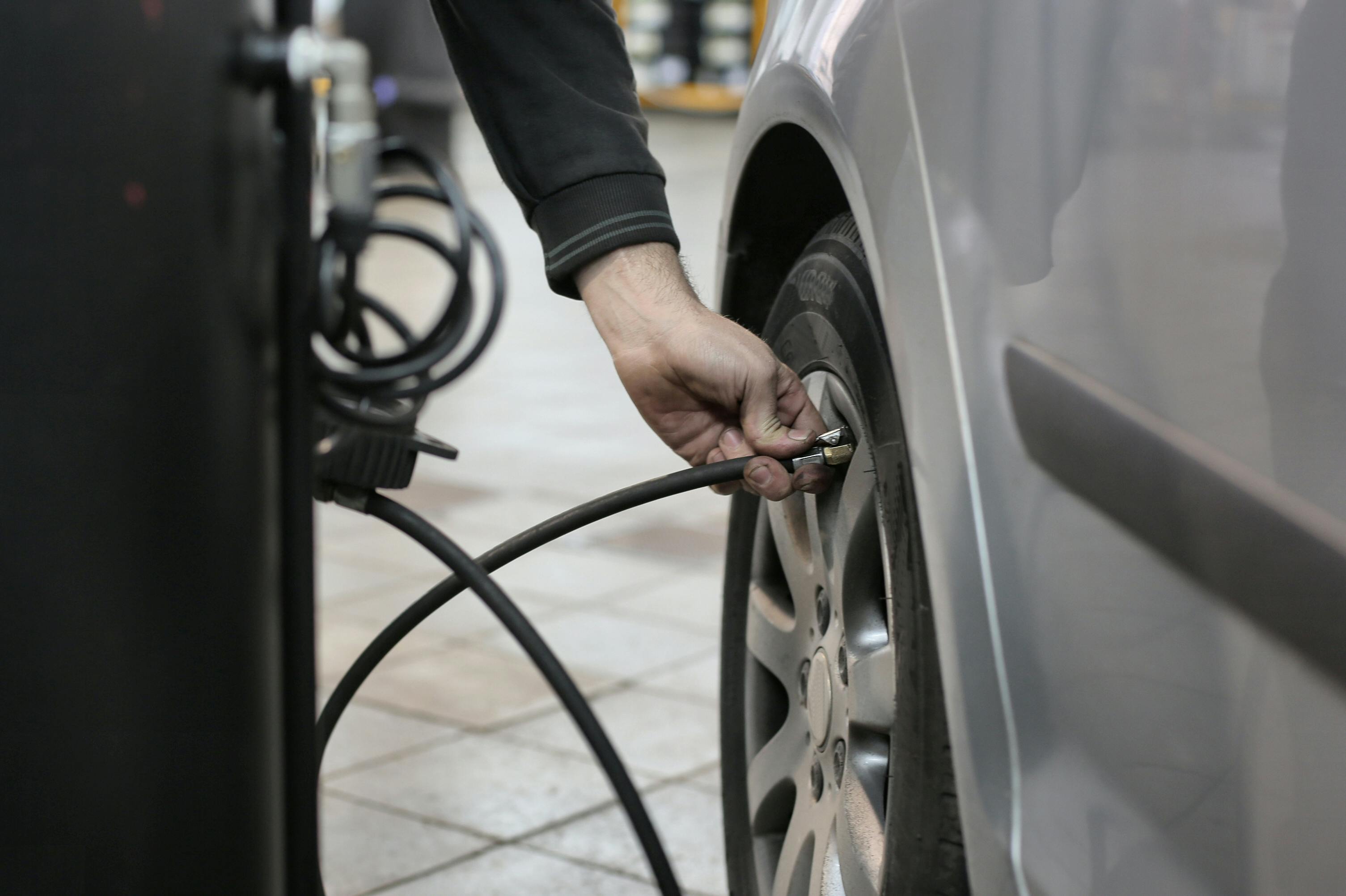
If the tires have less than 4 mm tread depth (summer tires should have at least 3 mm), it's time for a new set of tires.
During the tire change, you have a good view of the brake discs. You don't need to worry about a little rust on them, but you do need to worry about deep grooves. You may also have noticed unusual noises when braking. Modern vehicles often have an electronic wear indicator for brakes.
Organizational tips for cleaning your car in spring
Winter is particularly hard on the wheel arches and underbody - two parts of the vehicle that are difficult to see. Make sure that you have good access to these areas during spring cleaning so that you can clean them thoroughly. You can save yourself a lot of time if you have all the necessary care products, cleaning utensils, and tools to hand.
Professional support or DIY?
Professionals are happy to do the spring cleaning of your car for you. This saves you a lot of time, but it also costs money. Even if you go to a car wash and do the work yourself, the service isn't free. So why not wash your car in your own driveway like you used to? Be careful, this is now only permitted to a limited extent. You are not allowed to use cleaning agents. And because a lot of pollutants are washed off the car with the dirt and into the wastewater, private car washing is completely prohibited in some places. For water protection reasons, it is therefore better to go to a car wash. Wash boxes offer you the necessary equipment to wash your car. Whether you get your car ready for the warm season yourself or leave it in the hands of experts is up to you.
Conclusion
Regular and thorough spring cleaning gives your car a few extra years and preserves its value. What's more, many car parts last longer with good care. Good reasons to take care when cleaning your car after winter. Car washes may save time, but they can leave tiny scratches in the paintwork. The gentlest way to clean your car is to do it by hand or leave it to the professionals. By the way: CARIFY car subscriptions include maintenance in the garage.
FAQs
Is washing-up liquid bad for car paint?
The grease solvents contained in washing-up liquid attack the protective wax layer and sealant on car paintwork as well as the rubber seals on the vehicle. This is why you should not wash your car with washing-up liquid.
In which order do you wash your car?
When washing your car, proceed from coarse to fine. First, you remove the coarse dirt by hand, then with a high-pressure cleaner, even from the cracks. This is followed by a thorough foam wash and underbody wash. After rinsing, dry the car.
How do you get the car paint properly cleaned again?
The gentlest and most thorough way to clean your car is by hand with a soft sponge that barely scratches the paintwork and a suitable cleaning agent.
Which cleaning agent for washing the car?
A special car shampoo in the wash water effectively removes road grime without attacking the sealant on the paintwork.